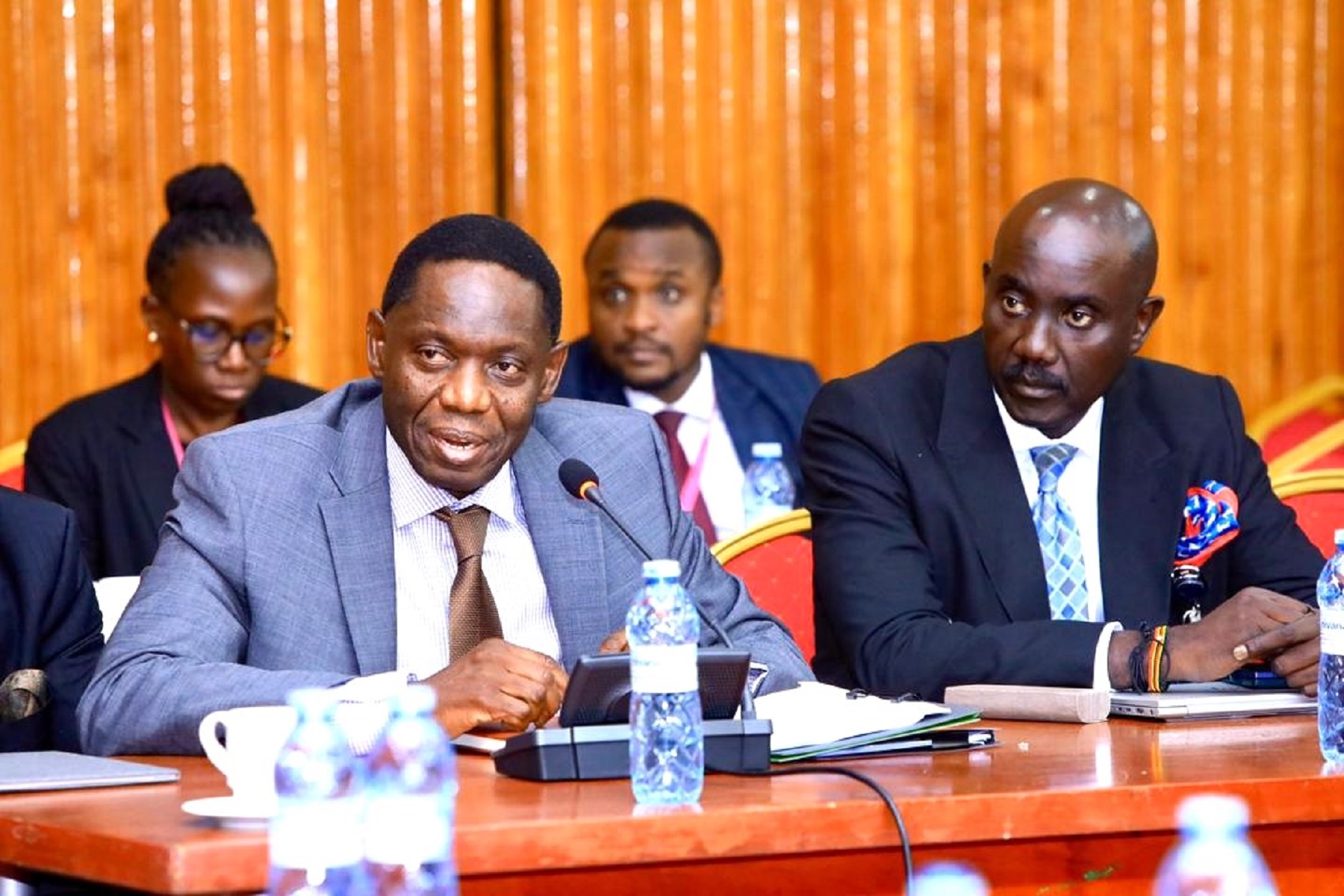
The proposed Protection of Sovereignty Bill, 2026, could weaken the shilling, drain foreign reserves, and undermine the constitutional independence of the central bank if passed in its current form, the Bank of Uganda has warned.
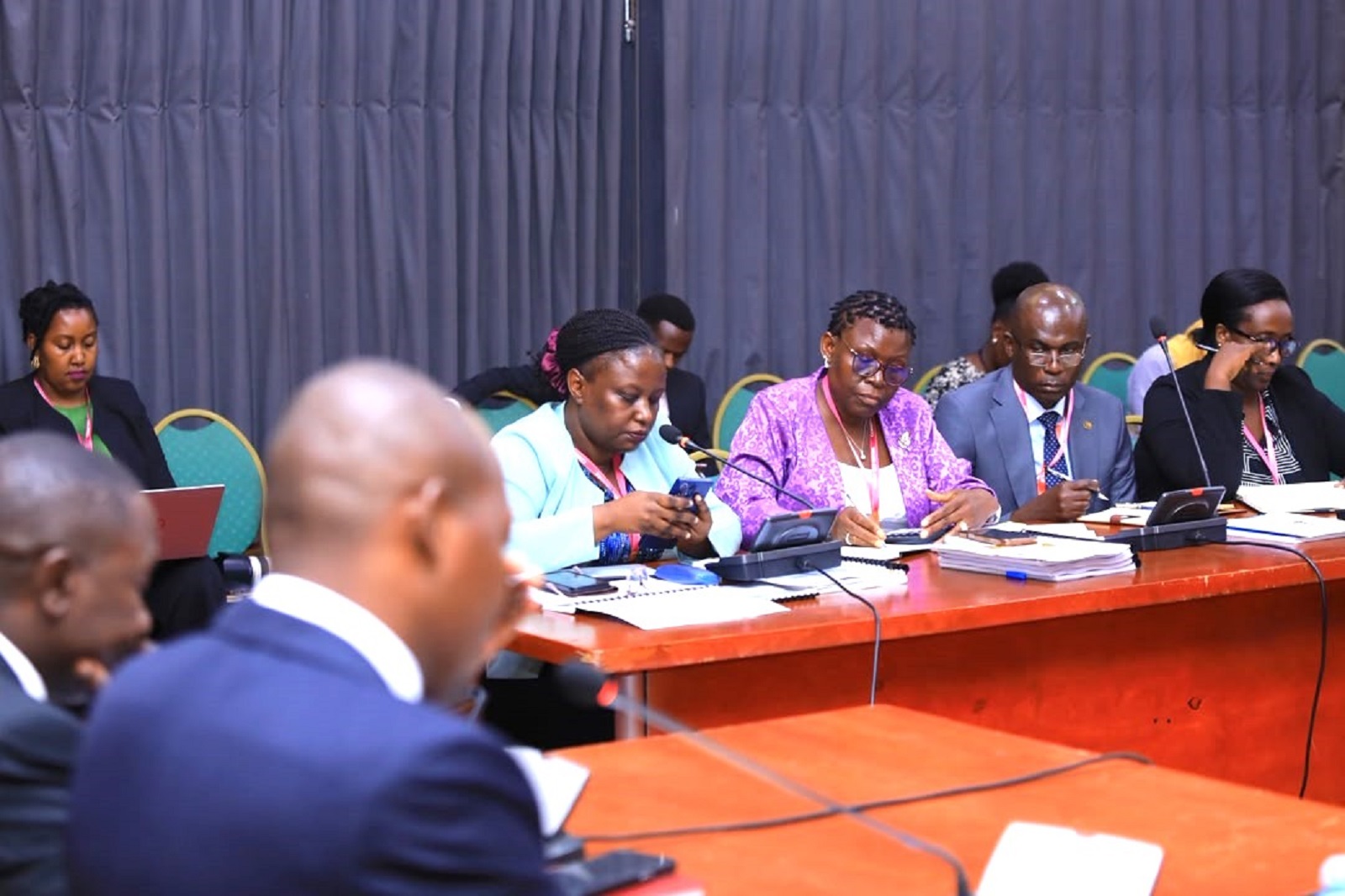
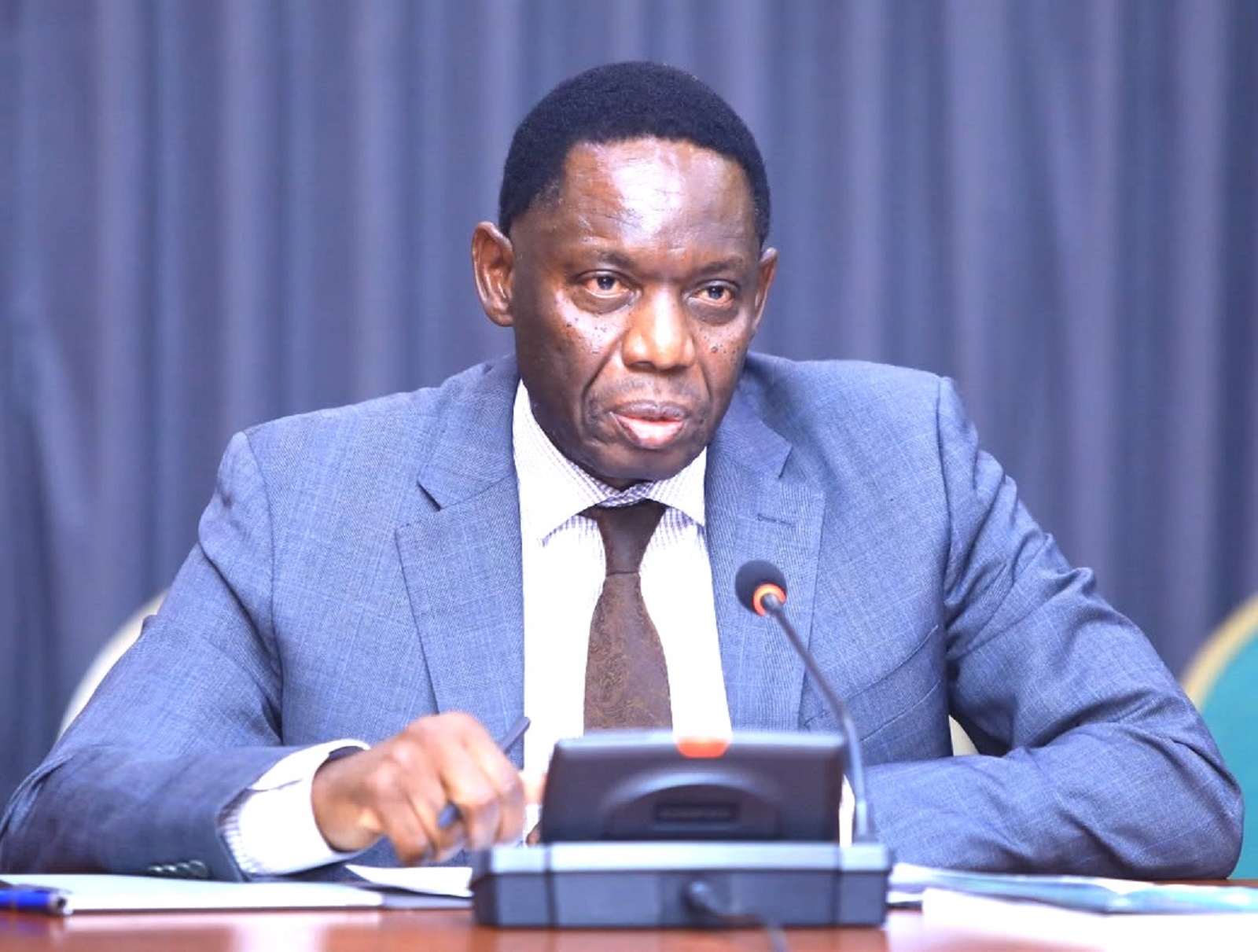
Governor Michael Atingi-Ego, who delivered the bank's position while appearing before the joint committees on Legal and Parliamentary Affairs and Defence and Internal Affairs on Tuesday, 28 April 2026, said the Bill’s biggest risk was its effect on cross border financial flows that sustain Uganda’s economy.
“A country without reserves is not sovereign,” Dr Atingi-Ego told MPs, as he argued that restrictions proposed under the Bill could sharply reduce inflows of foreign investment, remittances and portfolio capital that help finance Uganda’s trade deficit.
Accompanied by the Deputy Governor, Prof. Augustus Nuwagaba, and other senior staff, he said Uganda’s current account has consistently remained negative because imports exceed exports, and that gap is financed through inflows in the financial account. If those inflows are restricted, he warned, the current account deficit would widen, and pressure would mount on the currency.
“So, how then does the balance of payments balance? We are going to have a substantial depreciation of the currency,” he said.
The central bank’s supremo said Uganda’s foreign reserves currently stand close to US$6 billion and were built through continued inflows into the economy. He said last financial year Uganda recorded an overall balance of payments surplus of US$1.5 billion, allowing reserve accumulation.
“The moment you damp out these inflows here, we risk running down our reserves, and that Is an economic disaster for a country,” he said.
The Governor also said the Bill may conflict with Article 162 of the Constitution, which protects the Bank of Uganda from direction or control by any person or authority in carrying out its functions.
He said the proposed law introduces parallel oversight and ministerial gatekeeping that could interfere with the central bank’s exclusive mandate over monetary policy, exchange controls, banking supervision and financial stability.
The Bank of Uganda further warned that the broad definition of an “agent of a foreigner” could capture foreign owned banks, fintech firms and Ugandans in the diaspora sending money home.
He noted that Uganda received US$1.5 billion in remittances last year and said any measure requiring recipients of larger sums to seek registration could discourage inflows that support many households.
“Members, for remittances that are sustaining the livelihoods of Ugandans, we are likely to see a reduction in the remittances,” he said.
He also said foreign investors currently hold close to US$3 billion in Ugandan government securities, about 12 per cent of outstanding issuances, and warned that any form of capital control could trigger immediate exits.
“When they exit, it means that we cannot fully finance our deficit through borrowing. And if we are going to finance, it is going to be through very high interest rates,” he said.
On Clause 13 of the Bill, which criminalises publication of information that weakens the economic system, Atingi-Ego said the measure would damage market confidence and distort investment pricing.
“Markets rely on information, a wide array of information to do their pricing,” he said, warning that investors would instead demand an uncertainty premium and charge higher interest rates if credible economic analysis is suppressed.
The Financial Intelligence Authority
The Financial Intelligence Authority also raised concerns that several clauses duplicate existing anti money laundering laws, create parallel reporting systems and may breach confidentiality and data protection rules.
The authority warned that unclear controls on foreign funding could drive transactions into informal channels, reduce remittances and increase financial exclusion.
Both institutions urged Parliament to harmonise the Bill with existing financial laws and regulatory mandates before any further consideration.
Ugandans living in the diaspora
Ugandans living abroad also urged Parliament to remove clauses that classify diaspora Ugandans as foreigners and to protect family transfers from state interference.
Timothy Kangagwe, a Ugandan based in the United States, framed the issue as one of identity and belonging, cautioning that the Bill goes beyond legal technicalities.
“When a Bill comes before you… that defines a Ugandan citizen residing outside Uganda as a foreigner, it is not a drafting error. That is a statement about how the government… sees us,” he said told MPs via a presentation on zoom.
Kangagwe stressed that diaspora Ugandans are driven by family responsibility, not foreign influence, noting the emotional and financial sacrifices they make.
He warned that the proposed law could disrupt remittances, which he said totaled US$2.5 billion (Shs9.2 trillion) in 2025, largely made up of small, regular transfers for basic needs.
Brian Mushana Kwesiga, a diaspora policy expert and former president of the Ugandan North American Association, backed the call for amendments, saying the Bill in its current form contradicts Uganda’s own policies on diaspora engagement.
While supporting the objective of protecting sovereignty, Kwesiga said the legislation creates a policy inconsistency by treating diaspora Ugandans as foreigners despite existing frameworks recognising them as development partners.
Gloria Nalule, Chairperson of the Uganda Global Forum, presented findings from a diaspora consultation spanning 31 countries, revealing widespread opposition to the Bill in its current form.
“Seventy-seven percent of the members said that they do not support the Bill because it severely hurts the diaspora,” she said.