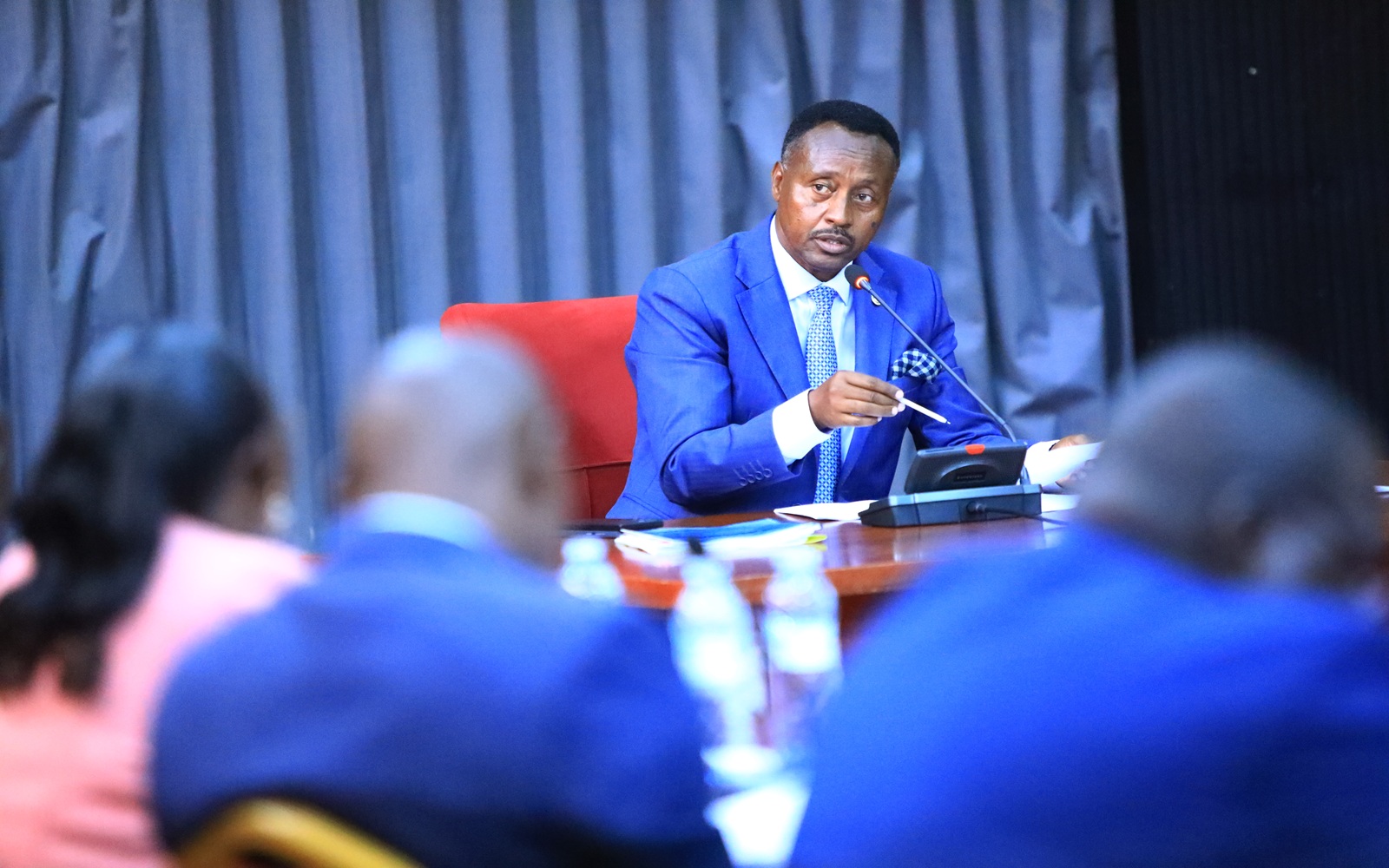
Uganda’s revenue projection for the coming financial year 2026/2027 is estimated at over Shs40 trillion, according to State Minister for Finance, Planning and Economic Development (General Duties), Hon. Henry Musasizi.
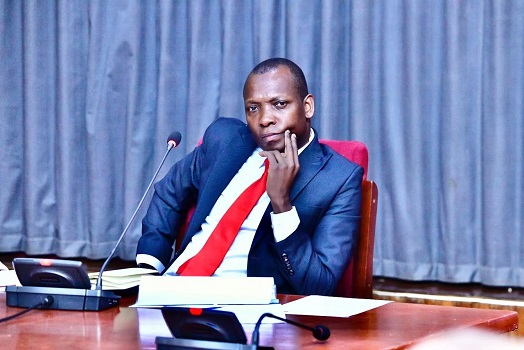
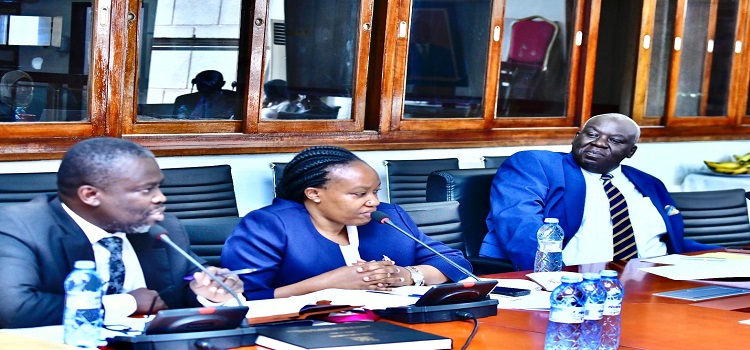
The minister made the revelation while appearing before the Committee on Finance, Planning and Economic Development chaired by Hon. Amos Kankunda.
“This is an increment of Shs3.35 trillion compared to the projection of the current financial year 2025/2026 target of Shs36.73 trillion. This is in line with Uganda Revenue Authority’s (URA) mission of mobilising revenue for national development,” Musasizi said.
The minister also presented URA’s budget estimates for financial year 2026/2027 that stand at Shs877.296 billion for activities that will support increased domestic revenue and improved institutional coordination, management and reporting.
Sheema Municipality Member of Parliament, Hon. Dicksons Kateshumbwa wondered whether the support given to the authority is sufficient to enable its achievement of the projected revenue for 2026/2027.
He also raised queries on the workings of government-owned banks like Pearl Bank Uganda and Uganda Development Bank (UDB).
“What is the role of such banks? Are they able to operate in a manner different from the privately-owned banking institutions? Some of these banks have given loans to individuals who end up defaulting on payments saying it is a government-owned bank,” Kateshumbwa said.
Hon. Paul Omara (Indep., Otuke County) tasked the minister on how the revenue projection is expected to be achieved, particularly with the increment from the current financial year.
The Permanent Secretary and Secretary to the Treasury (PSST), Ramathan Ggoobi noted that the Finance Ministry supports URA in revenue collection, albeit with a clearly spelt out return on investment strategy.
“The ministry has clear return on investment metrics with URA. When we invest a certain amount of money in improving their capabilities to collect revenue, they must account in terms of the revenue collection and that is why they are also improving,” he said.
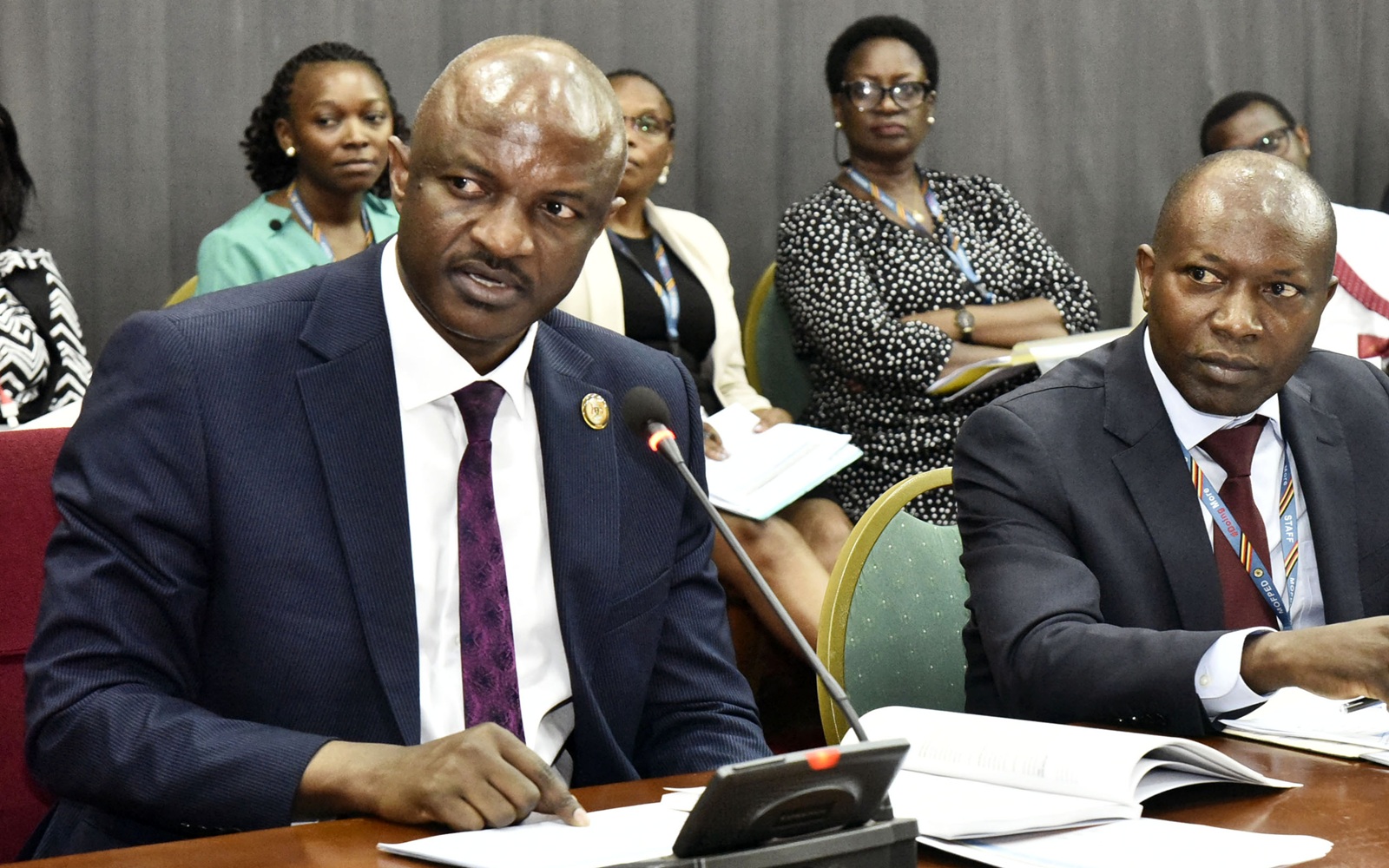
Ggoobi added that the projected revenue of Shs40 trillion in the next financial year will be attributed to faster economic growth and a new tax policy that will initiate reforms to support revenue generation.
“The Shs40 trillion is still very small in an economy which has Shs284 trillion. Our target is 20 per cent within the medium term, which we should attain in the next five years. We are currently at slightly less than 14 per cent,” Ggoobi noted.
He also clarified on the role of government-owned banks noting that that they do not play from any rules different from those governing privately-owned banks.
“Their role is clear – to distort the financial market in such a way that it fulfils our objective of reducing the cost of doing business for the critical strategic sectors without necessarily distorting the financial stability,” the PSST said.
Ggoobi added that strict protocols at the Central Bank ensure that every financial institution plays by the rulebook, and noted that such entities that default on the rules risk being closed.
In its budget interventions for financial year 2026/2027, the Finance Ministry plans to capitalise government-owned banks and financing schemes including UDB, Pearl Bank, the Agricultural Credit Facility (ACF), the Uganda Agriculture Insurance Scheme (UAIS), the Small Business Recovery Fund (SBRF) and the Large Farmers Scheme.