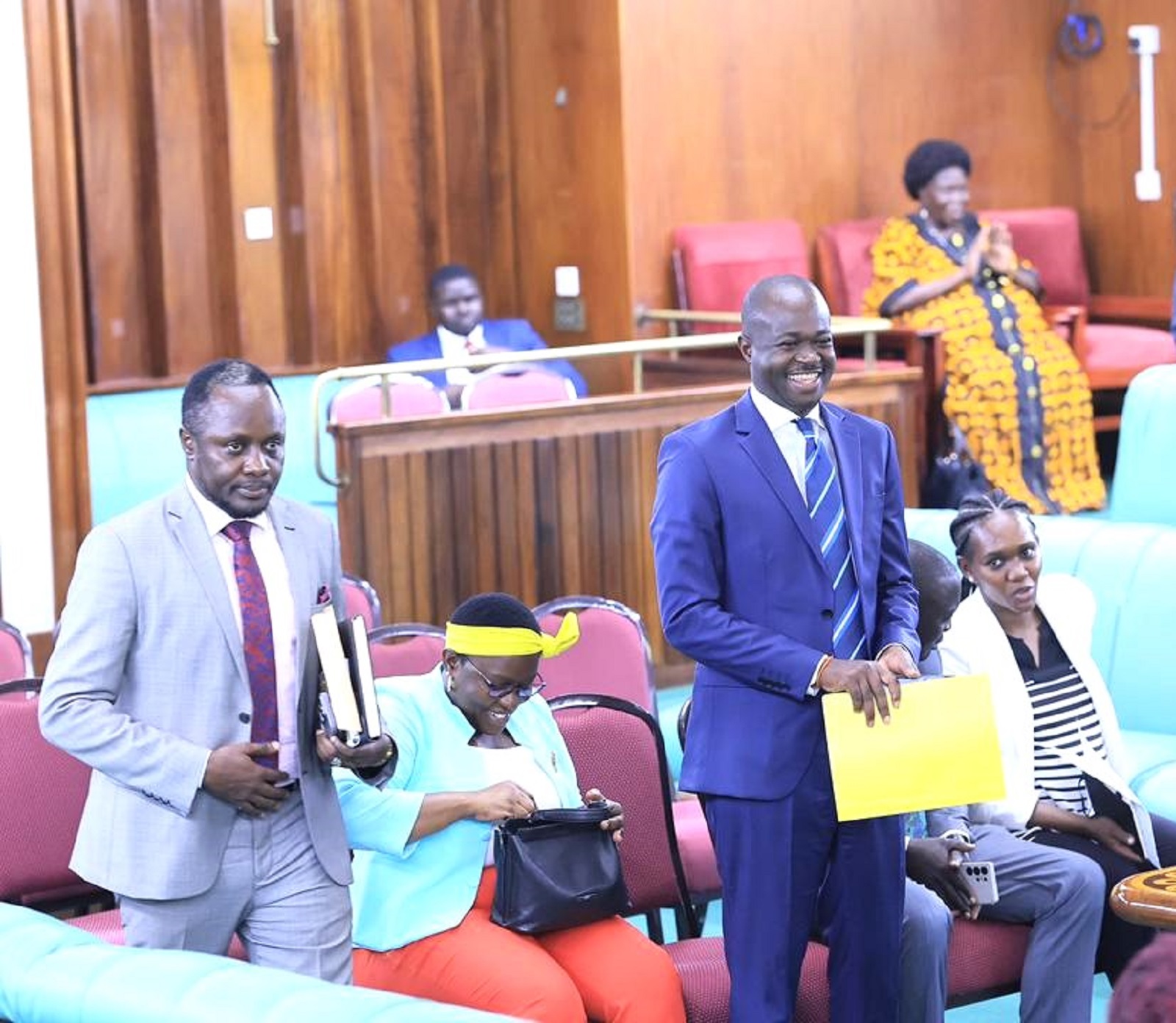
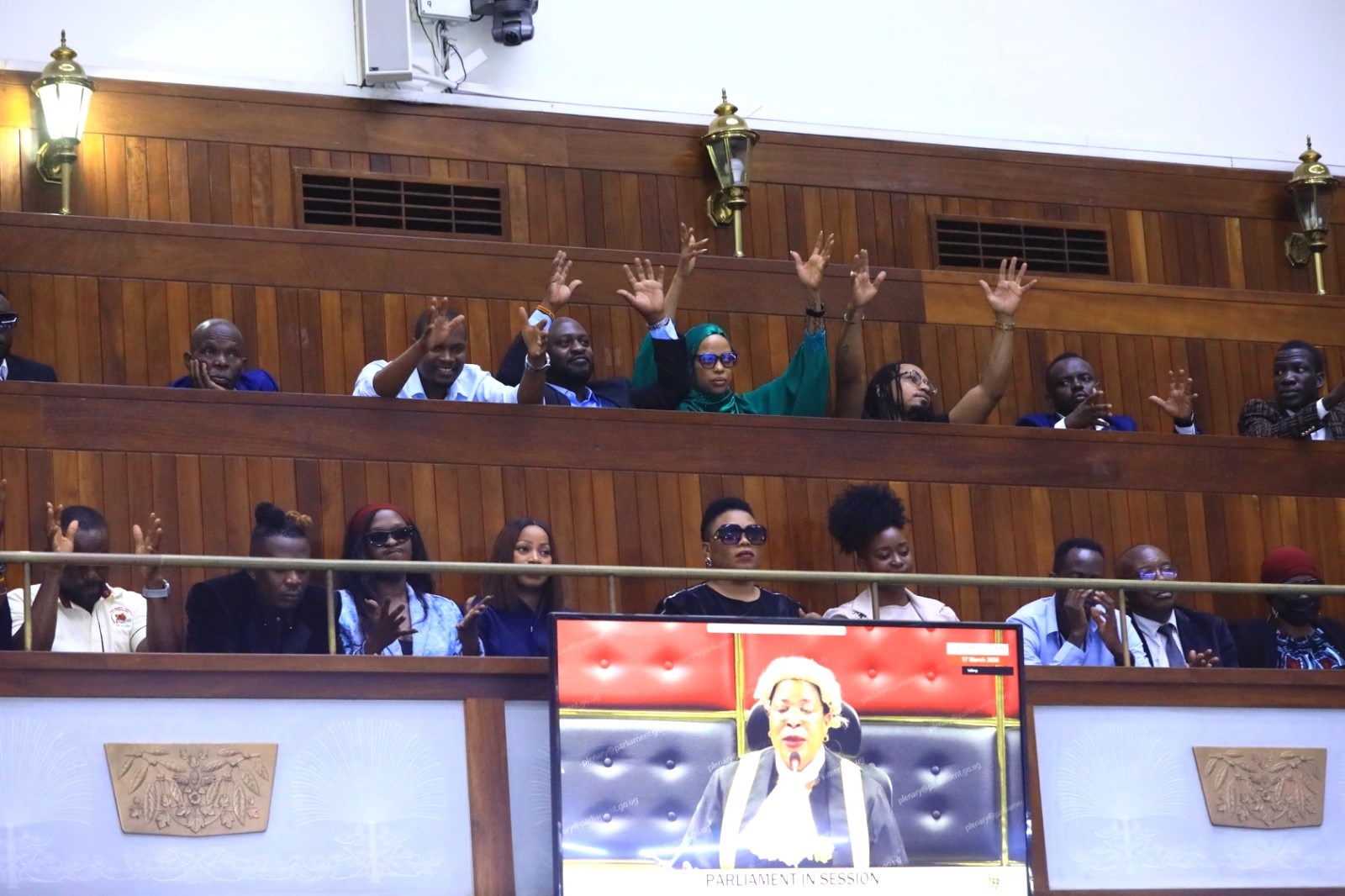
Creatives following the proceedings of the House on Tuesday, 17 March 2026 from the public gallery burst into jubilation following Parliament’s approval of the Copyright and Neighbouring Rights (Amendment) Bill, 2025.
The pent-up happiness followed a long wait by the creatives for the Bill that among others, directs that originators of creative works including musicians and authors, receive better remuneration for their productions.
Several others who could not be accommodated in the gallery patiently waited outside the precincts of Parliament, often checking their phones for updates of the proceedings.
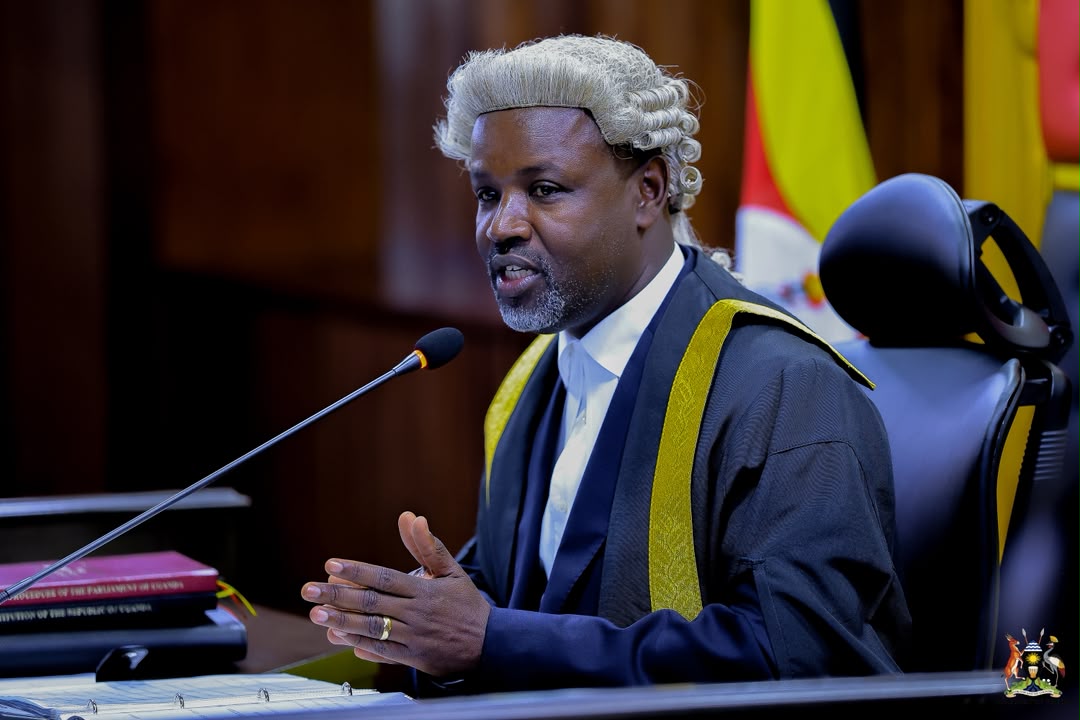
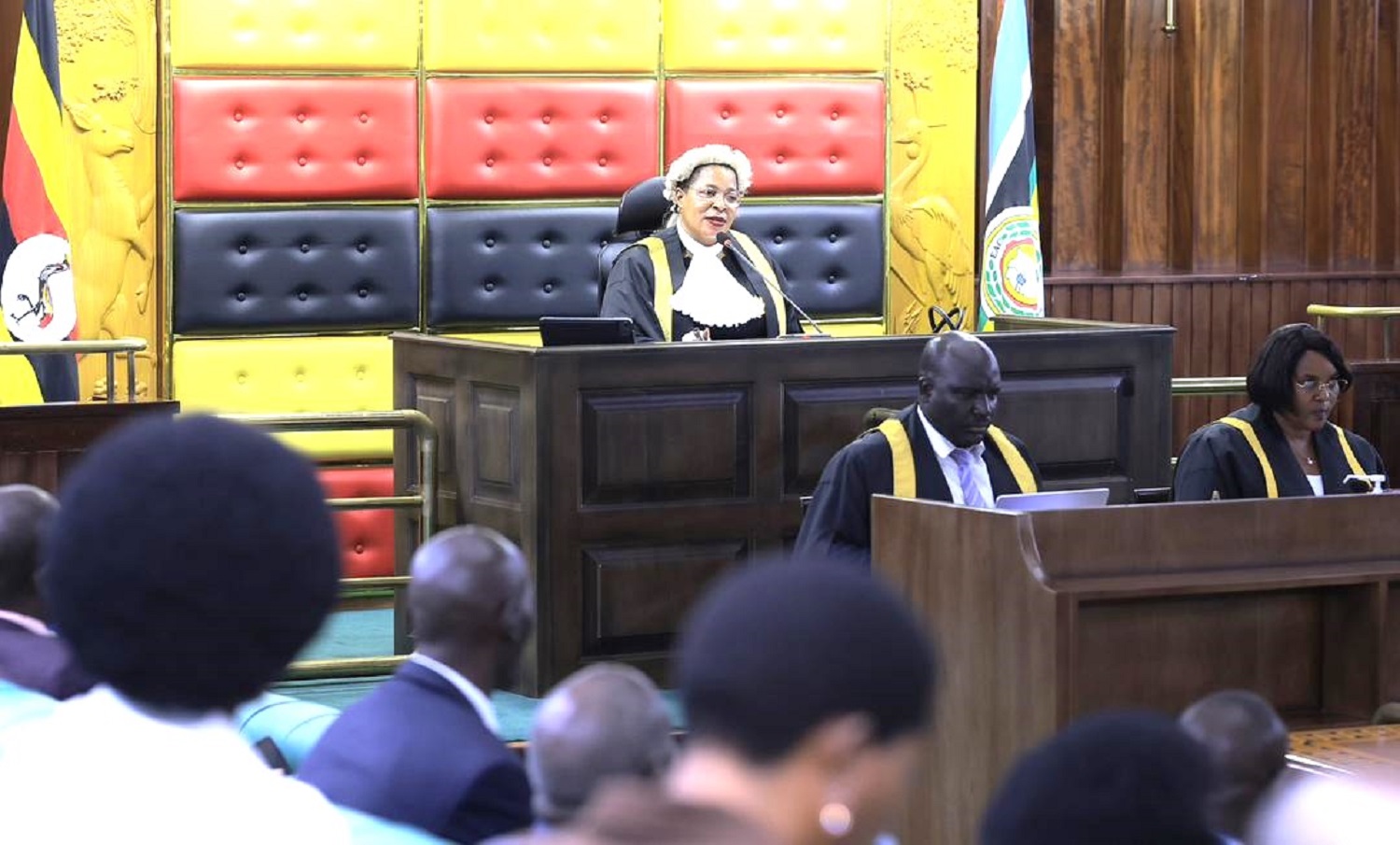
The House, chaired by Speaker Anita Among, adopted an amendment proposed by Hon. David Kabanda (NRM, Kasambya County) that gives the Minister for Justice and Constitutional Affairs the authority to prescribe procedures for collecting, distributing and receiving royalties and other entitlements from the use of copyright or neighbouring rights, in consultation with the Registrar General of the Uganda Registration Services Bureau.
The Bill further stipulates that an equitable remuneration be paid to performers and producers if a sound recording or audio-visual fixation is published for commercial advertisement purposes or used for broadcasting or public performances.
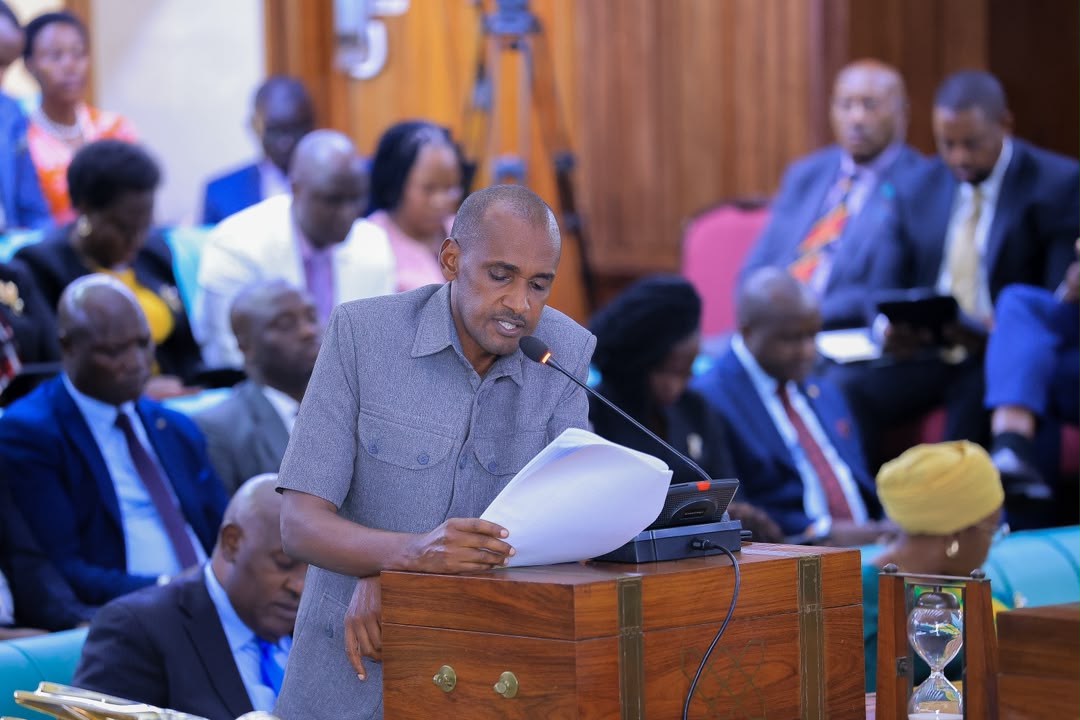
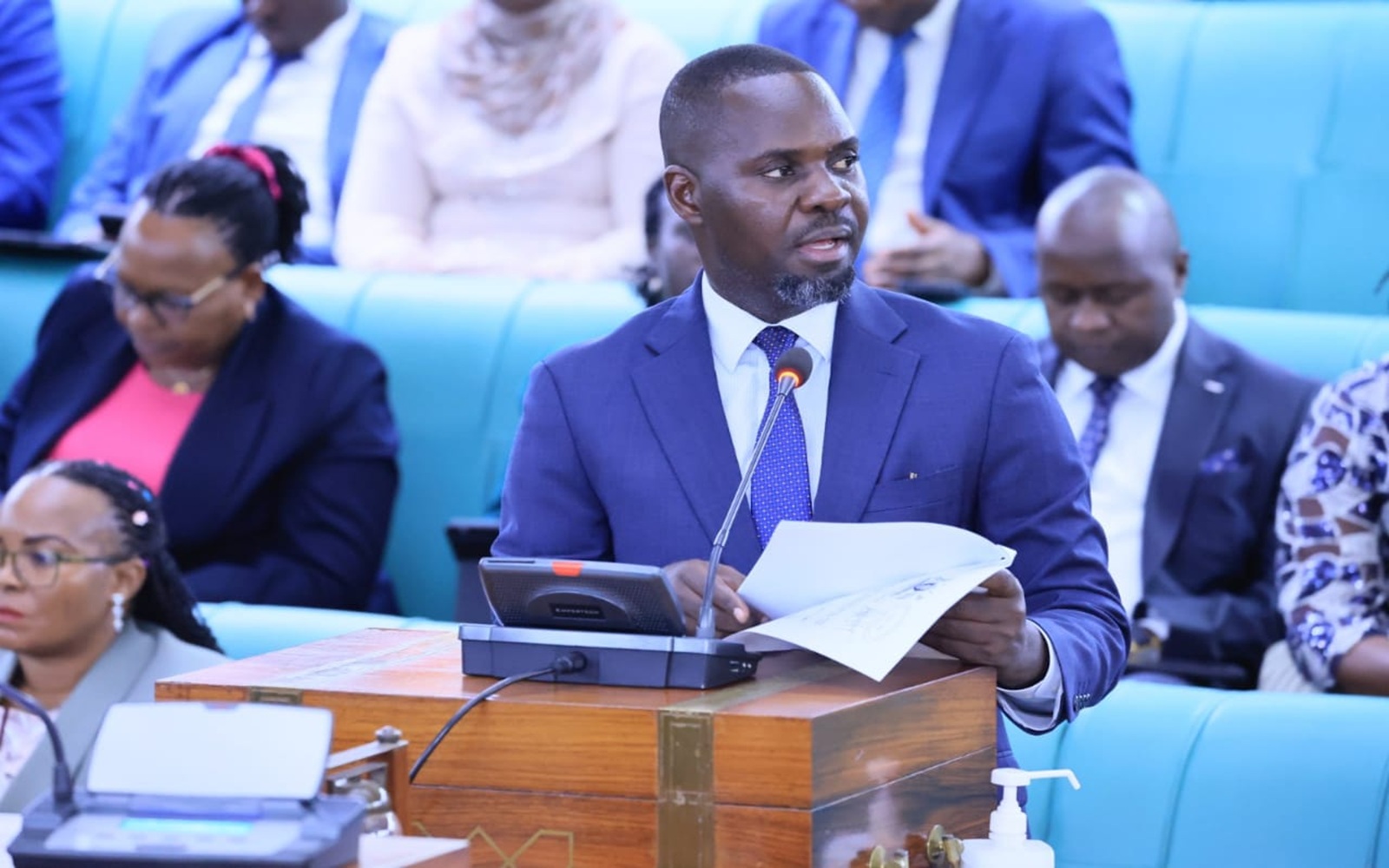
“The remuneration shall be paid through a payment system established under the National Payment Systems Act. The Registrar shall monitor the use of a sound recording or audio-visual fixation for commercial advertisement purposes, broadcasting or other communication to the public, and send periodic reports to the minister,” Kabanda proposed.
He added that the provision will streamline payments to creatives for their copyrighted works.
The function of collecting societies has also been expanded to include the mandate to collect and pay royalties to its members or the owner of a copyright, a move aimed at promoting equitable remuneration for content creators.
The Bill also provides that the Registrar shall not issue an order or notice for blocking, taking down or obstructing of infringing content unless the owner of the copyright work has a certificate of registration as proof of ownership.
The Attorney General, Hon. Kiryowa Kiwanuka, guided that registered copyrights will offer effective legal protection for creatives, including recalling infringing content.
“Once a creative produces work, they have a right to that work. But for one to benefit from the protections provided by the law, you must register a copyright. It will be difficult to tell someone that they are infringing your rights when they did not know they were your works,” said Kiryowa Kiwanuka.
The new law introduces stricter penalties for people who publish, broadcast, distribute or reproduce work without the authorisation of or license from the rights owner or his or her agent.
Such people, upon conviction, could face a jail sentence of up to 10 years, or be caused to pay up to 2,500 currency points (Shs50 million), or receive both punishments in a sentence by a judge of the Commercial Court.
For a person found selling or buying any apparatus, knowing that it is to be used for making infringing copies of work, commits an offence and is liable on conviction, to a fine not exceeding 2,000 currency points (Shs40 million) or imprisonment not exceeding seven years or both.
A new concept of orphan works has also been introduced by Bill, which are works protected by copyright but whose author or copyright owner cannot be identified or found.
“The Minister shall not license a person to exploit orphan works unless the applicant has demonstrated to the Minister that the author of the work cannot be found. A person licensed to exploit orphan works shall pay an annual license fee determined by the Minister by regulations,” reads the Bill in part.
The Bill also checks any person illegally operating as a collecting society by prescribing upon conviction, a fine not exceeding five thousand currency points (Shs100 million) or imprisonment to a term not exceeding 10 years or both.
It further stipulates that where a person is licensed to exploit orphan works, he or she shall be entitled to the economic rights of the author but where, before the expiration of the license, the identity of the author is known, the copyright shall revert to the author.
Literary works including novels, stage directions or plays and encyclopedias will now be protected under the new law, in a bid to domesticate copyright treaties including the Berne Convention for the Protection of Literary and Artistic Works (1886).
“Further, works such as translations, adaptations, and expressions of folklore are explicitly recognised as derivative works, ensuring protection for traditional knowledge as its own form of intellectual property aside from copyright,” the Bill further reads.
In a report of the Committee on Legal and Parliamentary Affairs, the chairperson, Hon. Stephen Baka Mugabi, noted that the Bill does not establish a dynamic framework for managing content created with artificial intelligence, and recommended that intellectual property laws are amended to cater for the emerging technology in the field of copyright.
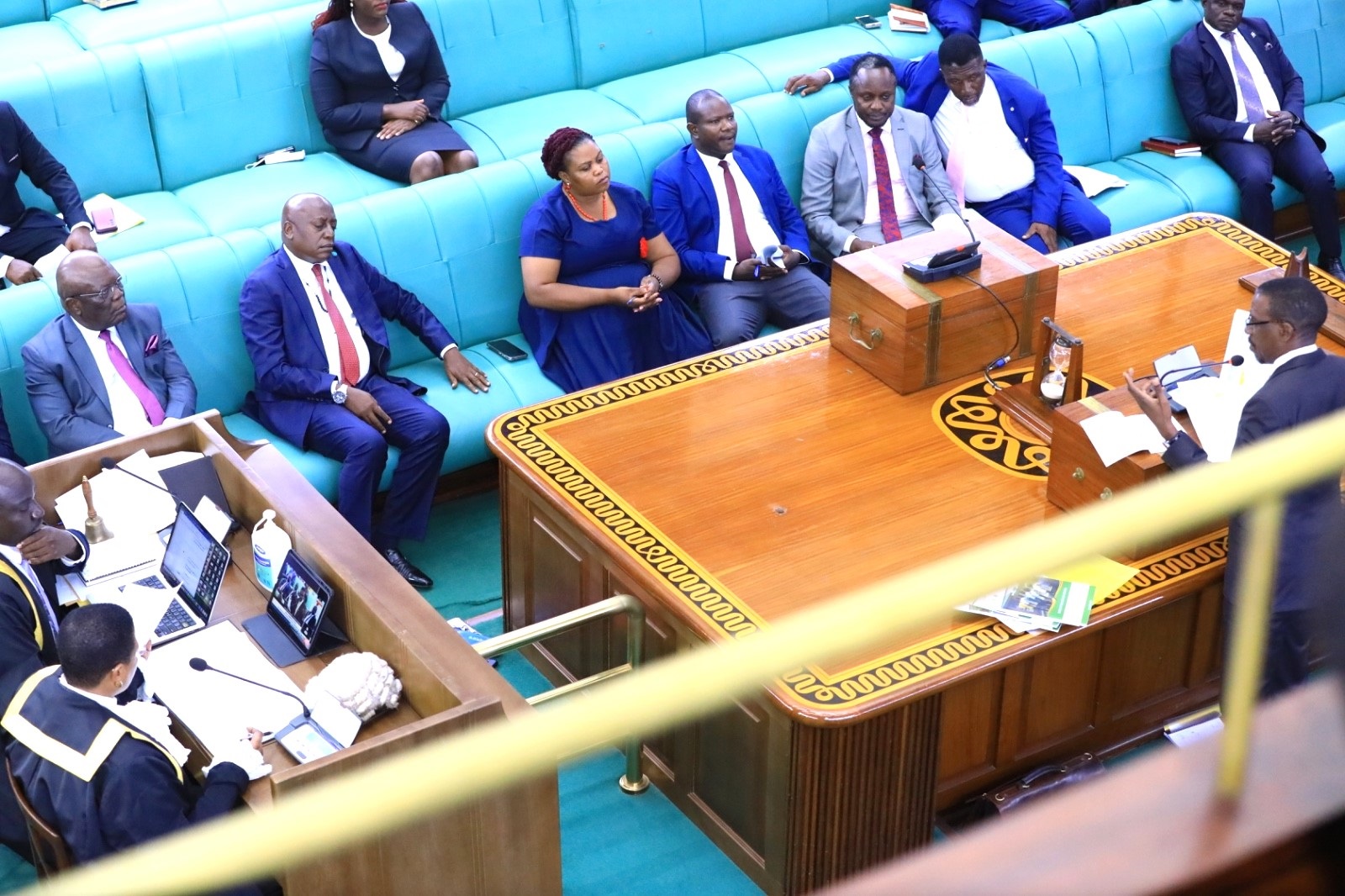
“As Al becomes deeply integrated into the creative field, the distinction between human-created works and machine-generated ones is becoming increasingly important yet copyright laws are currently designed for human creatives. Without forward-looking provisions, legislation may struggle to address the complexities of emerging technologies,” Mugabi said.
The Bill, first introduced as a Private Member’s Bill by Hon. Hillary Kiyaga (NUP, Mawokota County North), was later taken up by government under the auspices of the Ministry of Justice and Constitutional Affairs.
Hon. Norbert Mao, the justice minister moved the Bill for Second Reading wherein debate ensued, with Hon. Chris Baryomunsi, the Minister of ICT and National Guidance, moving the Bill for Third Reading before the House passed it.
The Bill now awaits presidential assent before it becomes legally binding.