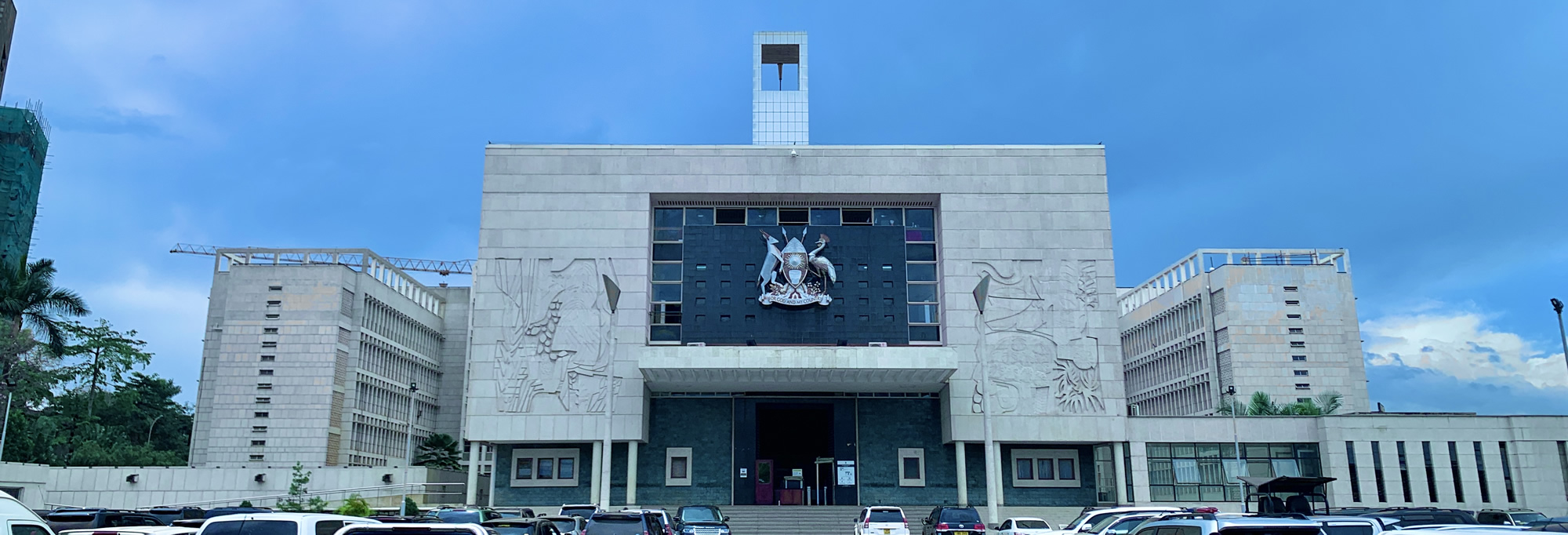

The Committee on Physical Infrastructure has questioned the Kampala Capital City Authority (KCCA) over the post-construction approval of Ham Shopping centre owned by businessman, Hamis Kiggundu on the Nakivubo Channel, raising concerns about compliance with planning and environmental regulations.
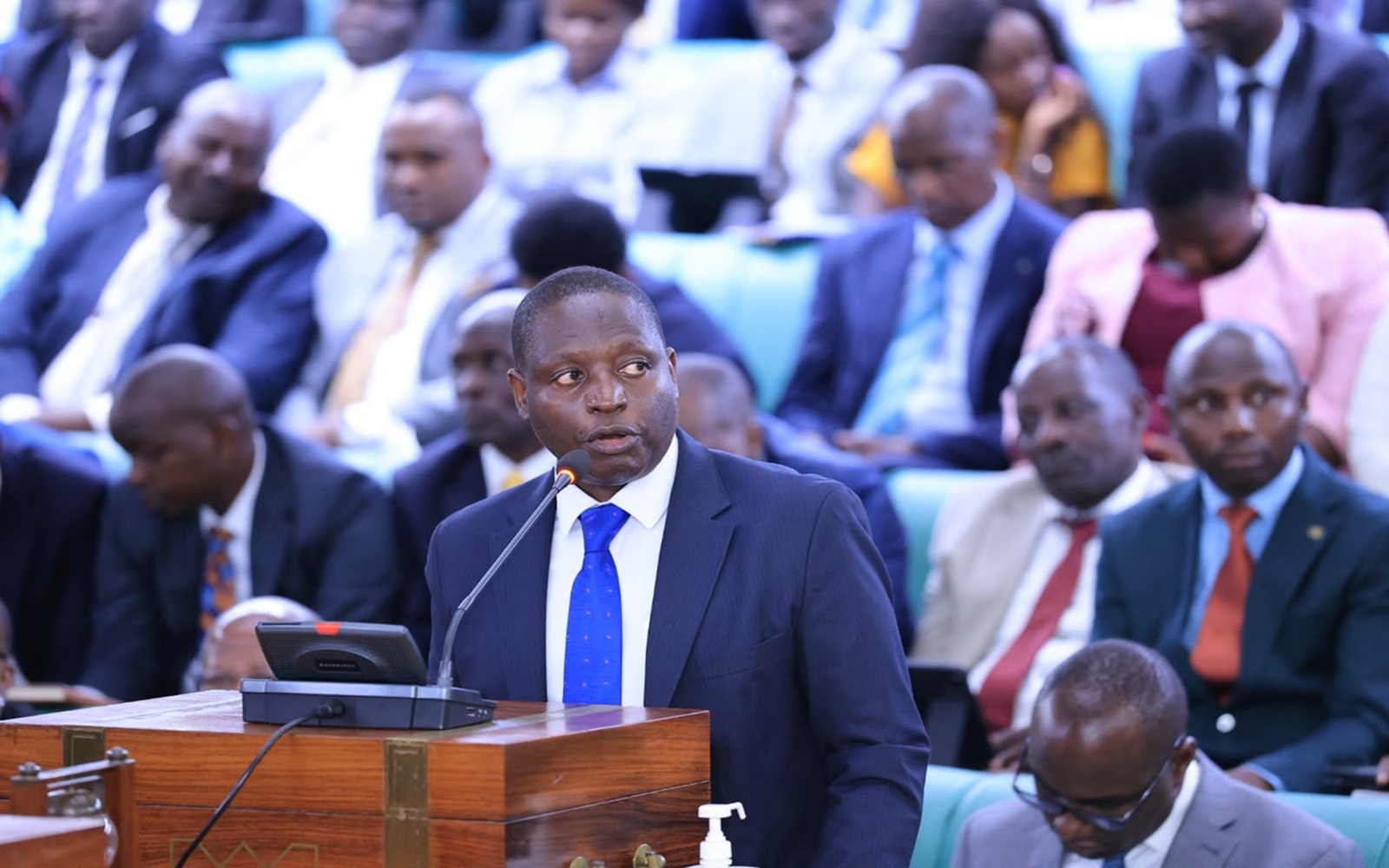
The matter arose on Wednesday, 15 July 2026 when KCCA Deputy Executive Director, Benon Kigenyi appeared before the committee chaired by Hon. Mwine Mpaka to brief members on the city's preparedness for the forthcoming rainy season and measures to mitigate flooding in Kampala.
During the meeting, MPs sought an explanation on whether the concrete structures built over the Nakivubo Channel had been lawfully approved.
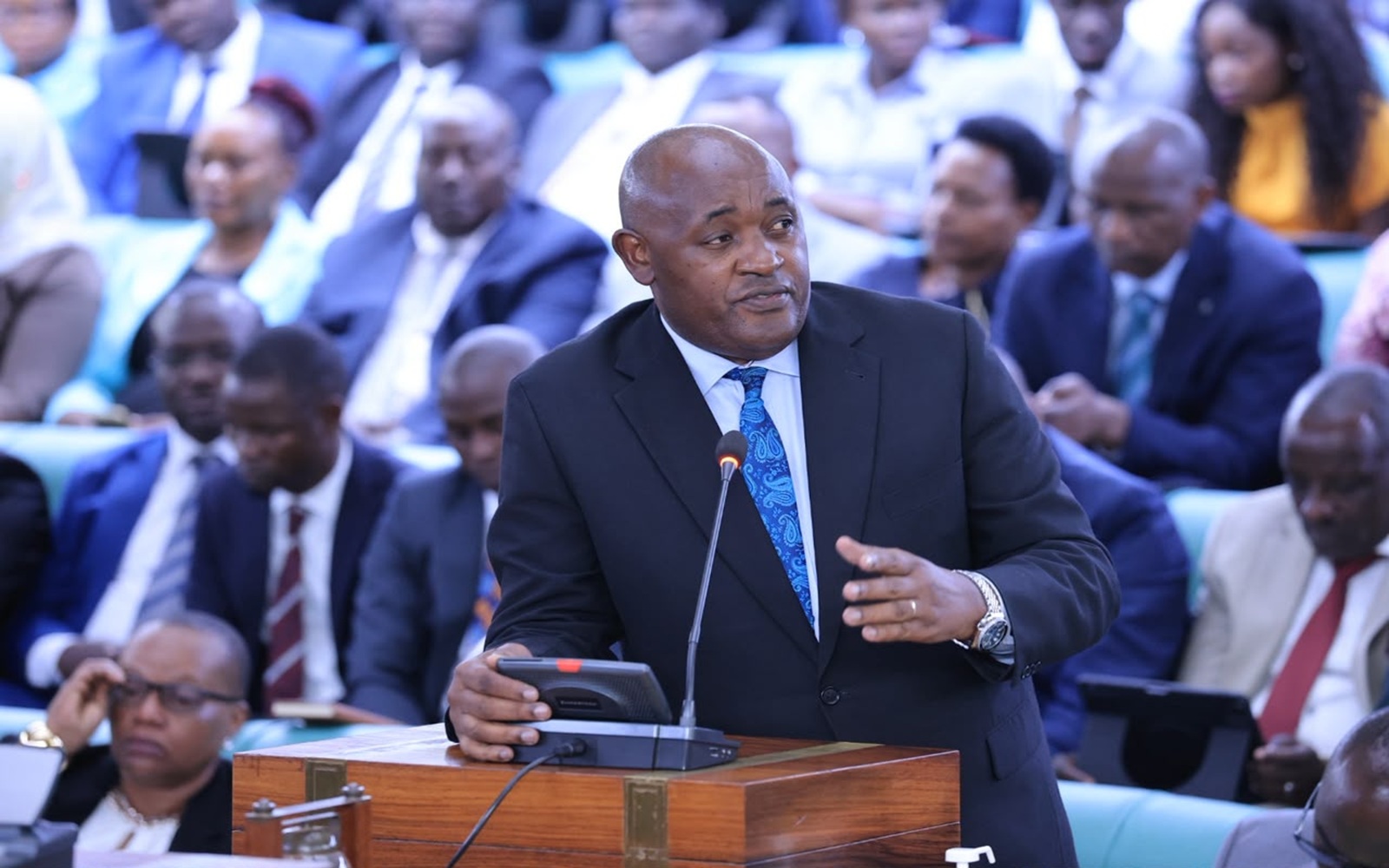
Kasilo County Member of Parliament, Hon. Peter Paul Emaju asked whether KCCA had authorised the construction of the malls and shops on the drainage channel which carries storm water from parts of Kampala into the Nakivubo drainage system.
Kigenyi told the committee that while the structures, ‘now have an approved plan’, the approval was granted after construction, under what he described as an "as-built" approval process.
He explained that KCCA had initially halted the development but later processed the plans because the structures had already been erected.
"It was an immature development. As regulators, we had to come in but the law allows us to approve what is already there through the as-built process," Kigenyi said.
His explanation prompted further questions from committee members on whether KCCA had guided the development from the outset.
Committee Chairperson Hon. Mwine Mpaka noted that although cities around the world have developments near waterways, such projects must be undertaken within established planning and engineering guidelines.
MPs also asked whether KCCA had faced external pressure that may have influenced its enforcement decisions. Kigenyi denied this, maintaining that the authority had acted independently.
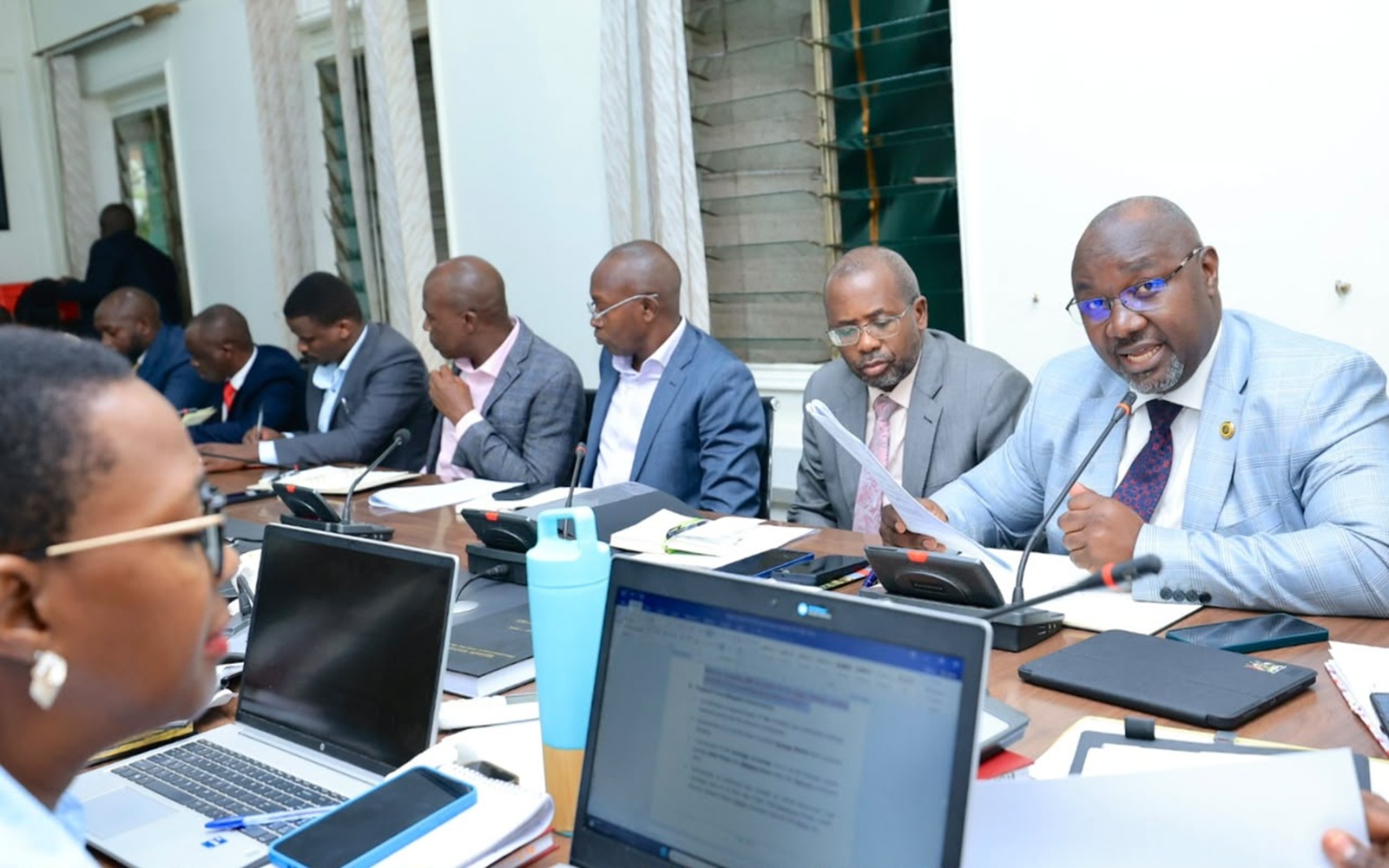
Mpaka observed that while the committee was aware of a presidential letter supporting the project, such communication did not override the law.
"A presidential letter is not law. It is an instruction that must be implemented within the confines of the law," he said.
The committee directed KCCA to submit more than 15 documents related to drainage planning, flood management and the project. These include the Kampala Drainage Master Plan, engineering drawings, enforcement notices, the complete project file for Ham Shopping Grounds and a list of illegal developments along the drainage channels.
The others are, hydrological data on drainage capacity, cost-benefit analyses, files relating to Forest Mall in Lugogo and details of project-affected persons and compensation paid.
Meanwhile, KCCA attributed the recurring flooding at St. Balikuddembe Market (Owino) and other parts of Kampala to encroachment on drainage channels, unauthorised construction and blocked drainage systems.
Kigenyi told the committee that more than 90 per cent of the 295-metre Nakivubo drainage channel has been encroached upon, significantly reducing its capacity to carry storm water and increasing the risk of flooding.
Mpaka emphasised the need for KCCA to strengthen its flood preparedness ahead of the rainy season, particularly in flood-prone areas including St Balikuddembe Market, the Nakivubo Channel, the Nateete–Busega corridor, Kinawataka, Kalerwe and Bwaise.
The KCCA team is expected to return on 31 July 2026 with the Minister in for Kampala before the committee.