The Electoral Commission has assured legislators of the accurate and transparent use of the Biometric Voter Verification Kits (BVVK) during the 2026 general elections.
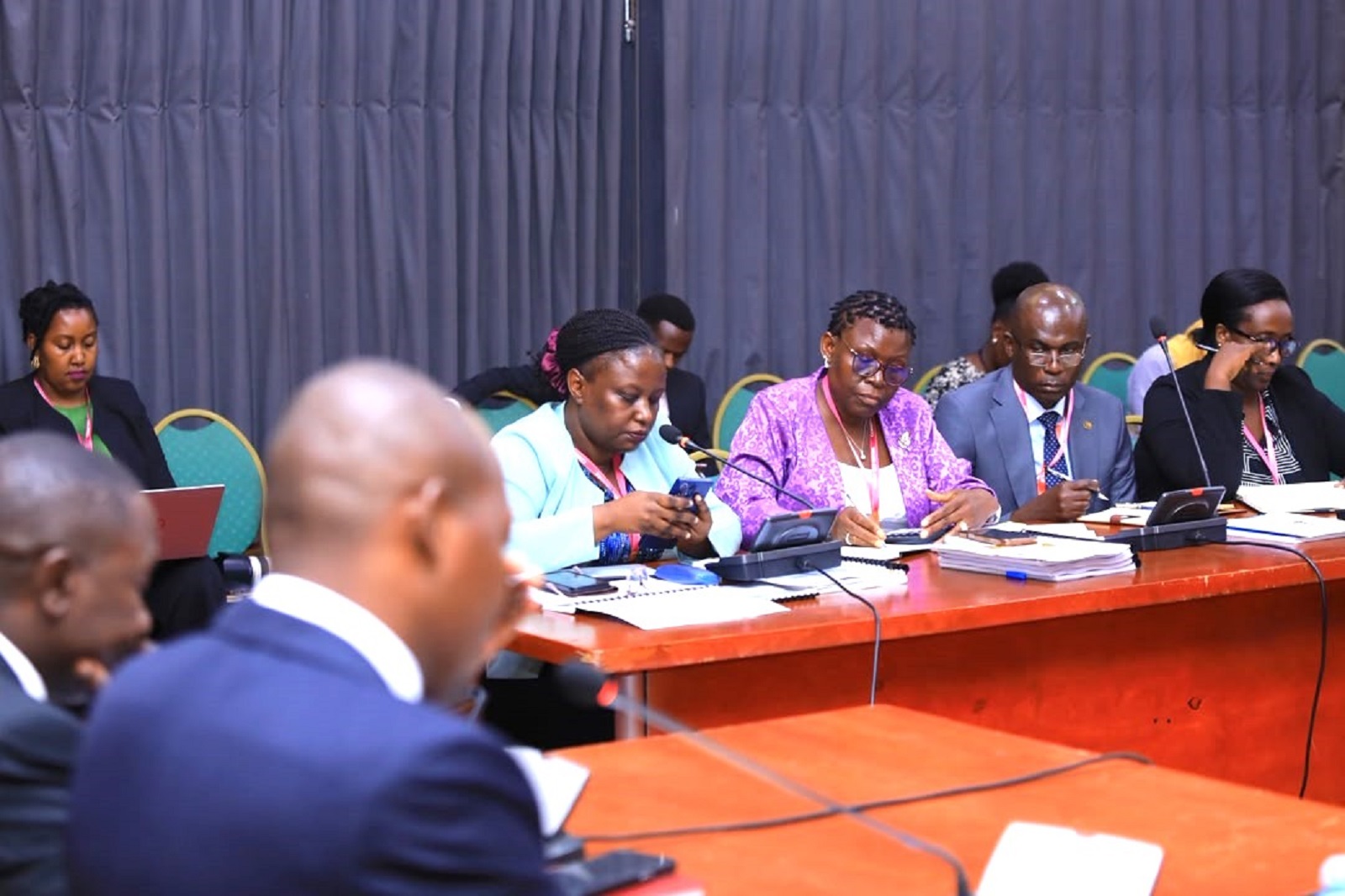
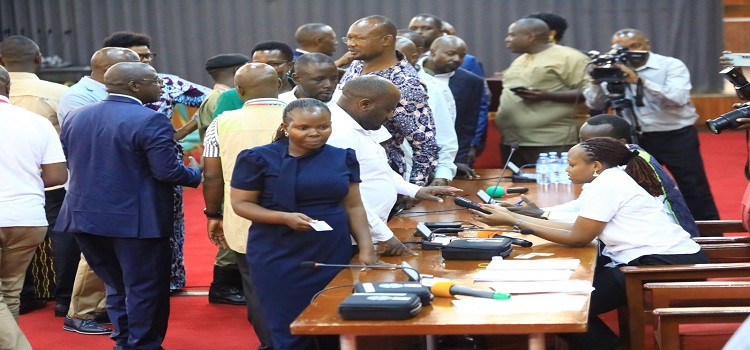
The EC, charged with managing elections in the country, took legislators through a step-by-step guide on the operation of the kits during a one-day training workshop held at Parliament on Thursday, 18 December 2025.
The training followed recent concerns raised by the Leader of Opposition, Joel Ssenyonyi, and MPs about the lack of regulations for the biometric voter verification system a few weeks to the elections.
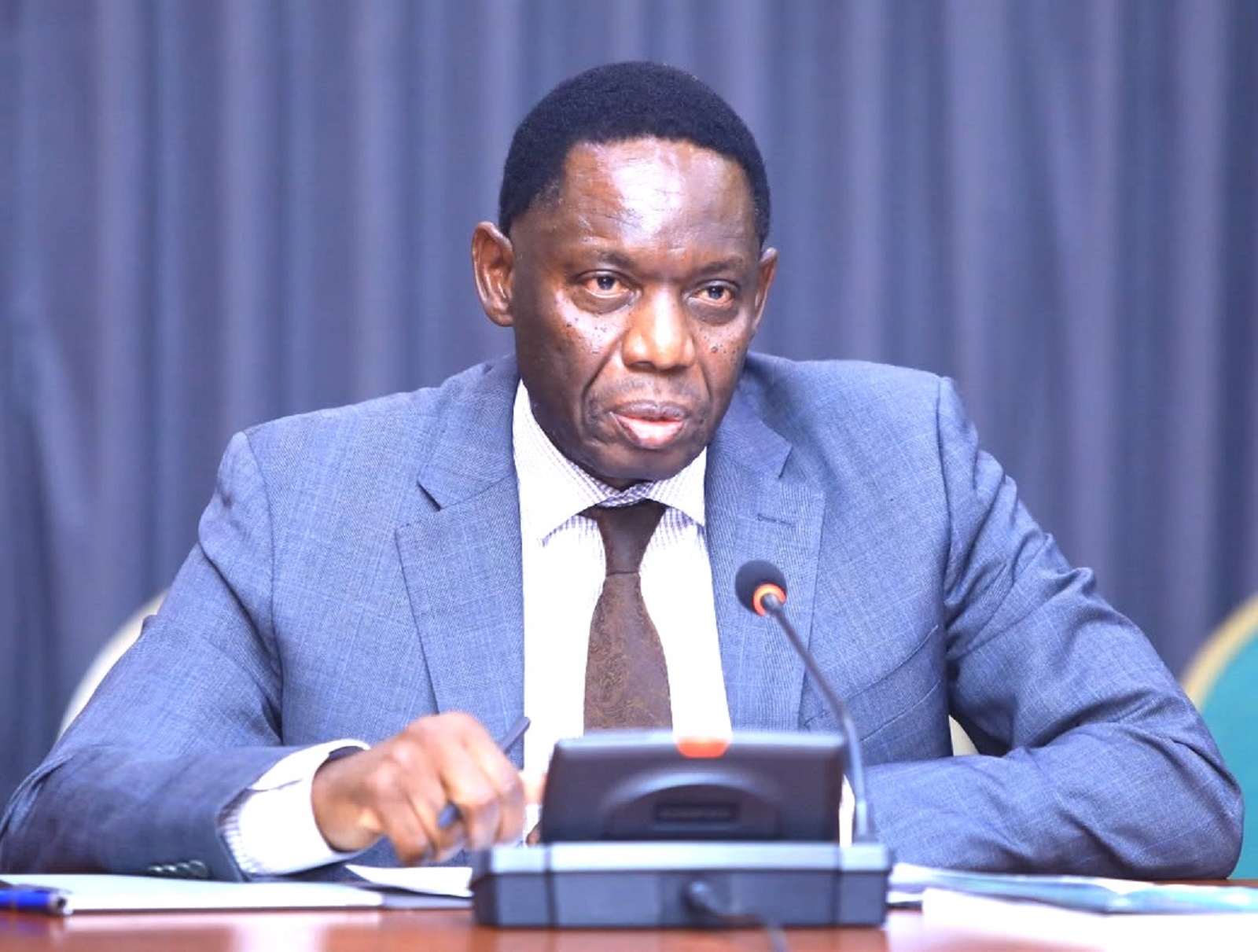
The EC Director Technical Services, Solomon Muhumuza, said the kits are an upgrade from those deployed in the 2016 and 2021 general elections, featuring capabilities that will prevent ballot manipulation.
“Before the voting exercise on polling day, the kits will be witnessed by appointed polling agents, to ensure that they have not been tampered with. The kits are preloaded with data of voters which will aid the identification and verification process,” Muhumuza said in response to concerns raised by some MPs on the possibility of prescanning ballot papers before the voting day.
“I am concerned about prescanning ballot papers in favor of certain polling stations, which means a high probability of staffing. How will you prevent ballot staffing when there is such a possibility,” asked Hon. Emmanuel Otaala (NRM, West Budama County South).
Mbarara District Woman MP Hon. Margaret Ayebare further queried, “How shall we know that the kit is clear and will begin with the first registered voter at the polling station?”
Hon. Sarah Opendi (NRM, Tororo District) raised concerns about sensitisation on the working of the kits, noting that lack of such knowledge could cause the electorate to question their use.
“This equipment is good but has come late. Will the Electoral Commission have time to take our polling agents through this process? Shall the public be educated on how these kits work ahead of the elections which are around the corner?” Opendi queried.
Hon. Gorreth Namugga (NUP, Mawogola County South) questioned the fate of an election process at polling stations where the all biometric voter verification kits would fail to work.
EC officials explained that at a polling station, each voter will be identified and verified using the kit and given three ballot papers to cast a vote for president, directly elected MP and district woman representative.
Catherine Onekalit, a Principal Election Officer, clarified that the preloaded data of voters on the biometric voter verification kits is key in identifying voters expected at a given polling station.
“This does not mean that prescanning has been done. Voters will need to have their voter location slips or national identity cards, to enable the polling assistant identity them in the system. The verification will then follow by using biometric identifiers like fingerprints or facial recognition,” Onekalit noted.
She added that the kits ensure that only registered persons vote during the elections, and that they will not vote more than once, to achieve the one-person-one-vote principle.
Samuel Kiyingi, a Principal Election Officer, assured legislators that there will be alternative measures in case of faulty kits, adding that sensitisation will be carried out ahead of the polls.
“We are going to have trainings in different districts, which will be held at sub-county level. The Commission will also ensure that delivery of ballot papers to the districts is done in time,” Kiyingi said.
The Electoral Commission has procured 109,142 BVVK that will be deployed at all 50,739 polling stations in the country, to enhance the credibility of the electoral process.