The Budget Committee has raised concerns over what it described as unusually high operational costs in the Social Assistance Grants for Empowerment (SAGE) programme, which provides monthly cash support to elderly persons across Uganda.
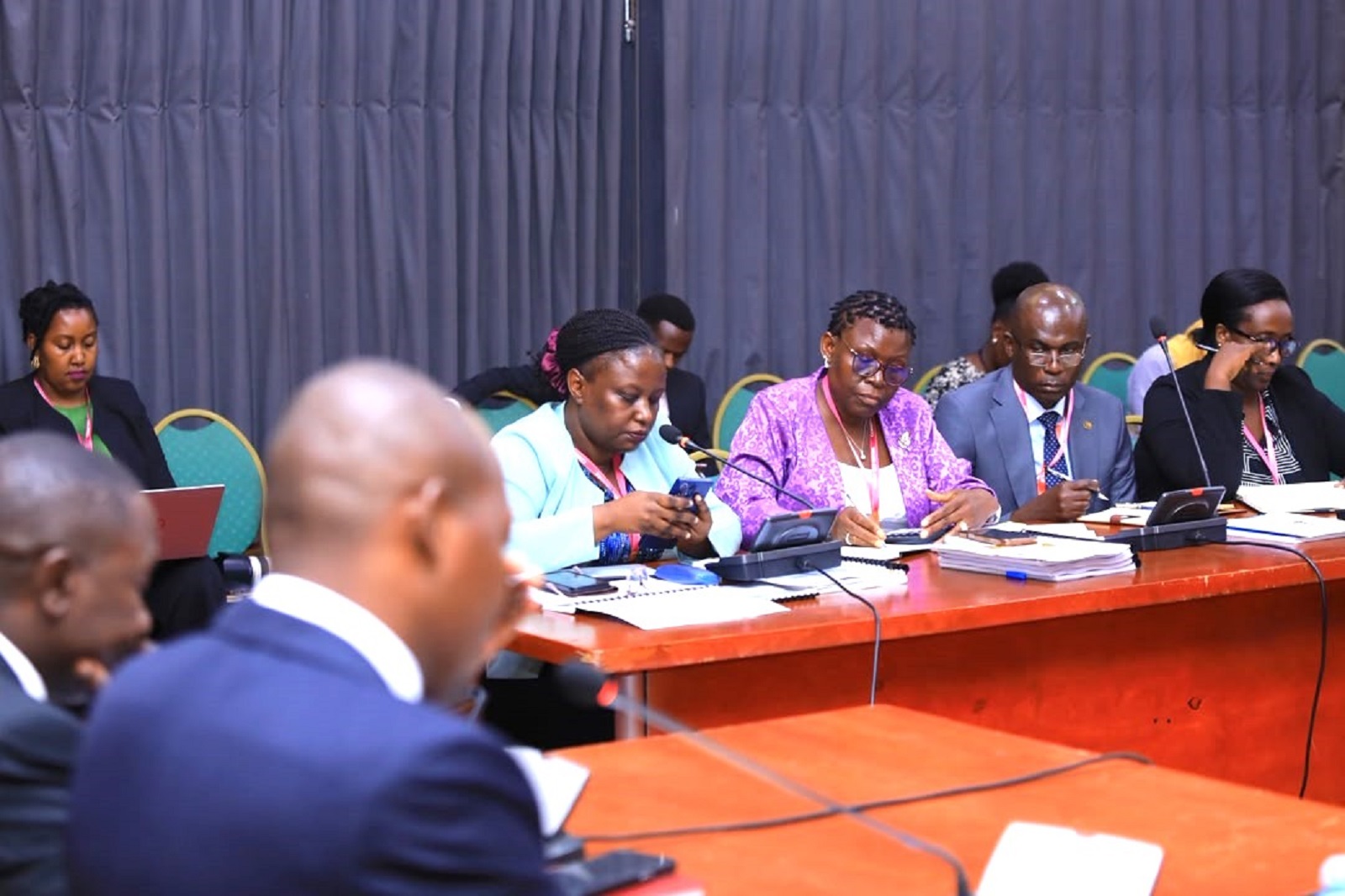
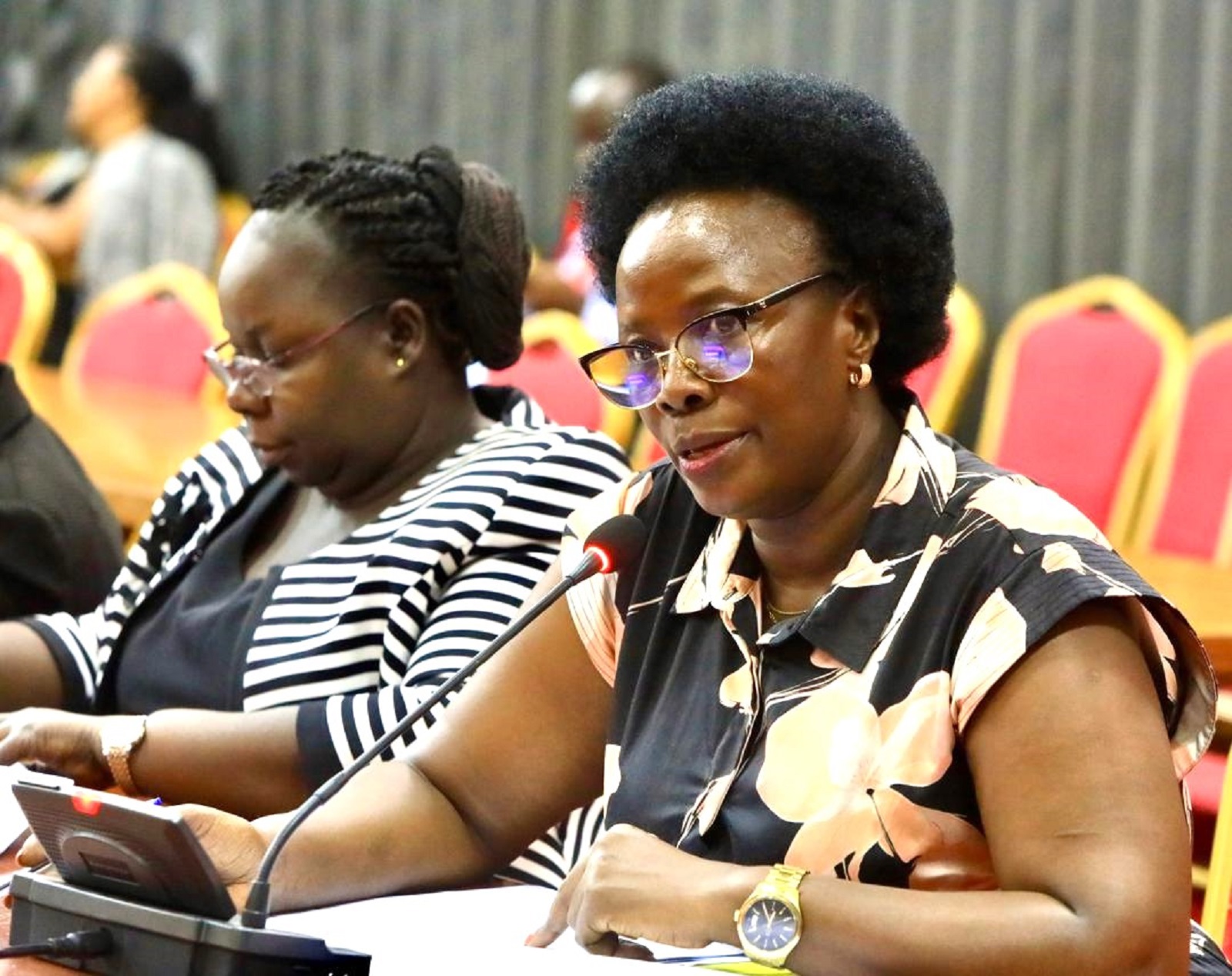
The concerns were raised on Friday, 17 April 2026, during scrutiny of committee reports before the Budget Committee, where the Chairperson of the Gender Labour and Social Development Committee, Hon. Agnes Kunihira, defended funding proposals for the programme.
Kunihira told MPs that SAGE currently supports more than one million elderly persons, with each beneficiary receiving Shs25,000 per month.
She explained that full coverage at current estimates would require about Shs373.36 billion annually, while government currently provides about Shs121 billion, leaving a funding gap of over Shs250 billion.
However, MPs questioned the structure of the programme’s expenditure, particularly operational costs estimated at about Shs30 billion.
Shema Municipality MP, Hon. Dicksons Kateshumbwa, said: “When you calculate, the money for beneficiaries is about Shs94 billion, yet you are providing Shs121 billion. Where does the balance go?”
Kunihira responded that the difference goes to the Ministry of Gender, Labour and Social Development as operational costs.
West Budama County North MP, Hon. Maximus Ochai, argued that the administrative structure of the programme should be consolidated within the ministry’s main budget vote, warning that parallel operational systems may be inflating costs.
“The ministry as a spending entity has got a budget line on operational expenses. So I would expect the entity to ensure that all operational costs are aggregated and reflected under that item,” Ochai said.
Kira Municipality MP, Hon. Ibrahim Ssemujju, also questioned the reliability of beneficiary estimates used in budgeting, challenging the repeated use of a static figure of 316,000 elderly persons.
“What is the magical number of 316,000? Why is it the same every year?” he asked, urging government to rely on updated registration data to improve accuracy.
Kunihira defended the operational framework, saying the costs cover mobilisation, payment systems and field implementation, but acknowledged the need for further scrutiny but was quick to add that the ministry officials will ably answer.
MPs also supported proposals to lower the SAGE eligibility age to 65 years to expand coverage, with Ssemujju cautioning that many people at 65 were still economically active.
The Budget Committee is expected to further interrogate the SAGE funding structure as Parliament reviews allocations under the Ministry of Gender, Labour and Social Development.