Uganda’s tax body, the Uganda Revenue Authority (URA), earned rare applause from Parliament for exceeding its revenue targets, but legislators quickly turned the spotlight on deeper structural weaknesses, ranging from a low tax-to-GDP ratio to inefficiencies in domestic tax collection and administrative costs.
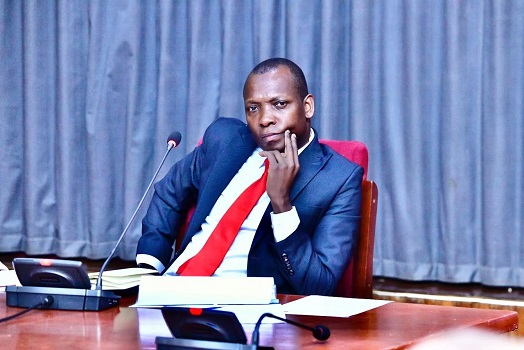
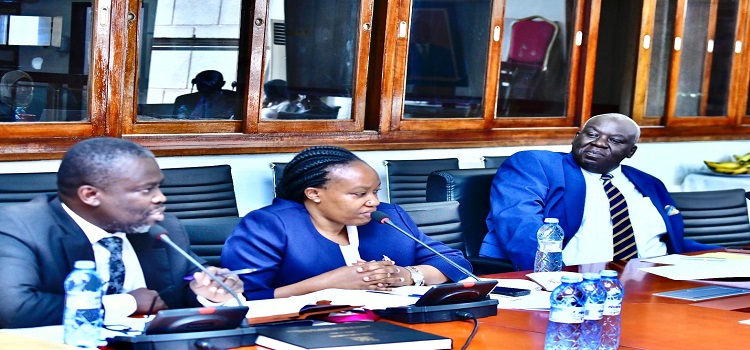
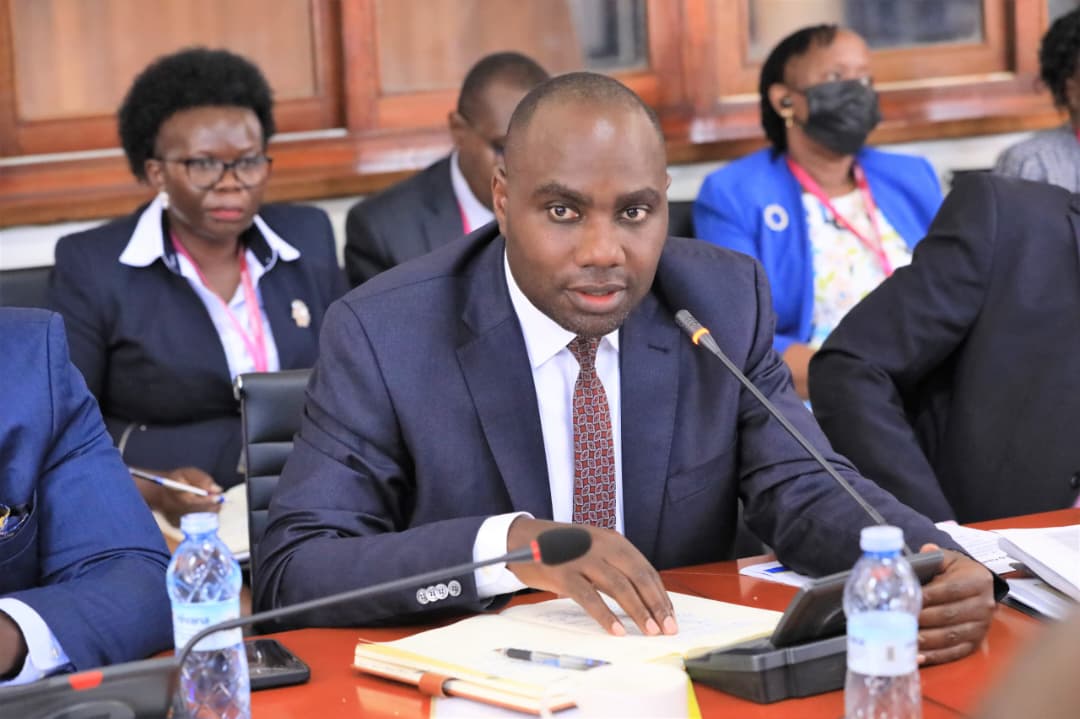
The mixed reactions emerged during a Finance Committee siting on Wednesday, 25 March 2026 chaired by Rwampara County MP Amos Kankunda, as it scrutinised URA’s Ministerial Policy Statement for the financial year 2026/2027.
The officials were led by Finance State Ministers Henry Musasizi (General Duties) and Amos Lugoolobi (Planning).
According to Musasizi, net revenue collections reached Shs31.643 trillion against a target of Shs31.369 trillion, translating a surplus of Shs264.87 billion. This marked a 15.87 percent growth compared to the previous financial year.
Domestic taxes contributed Shs21.252 trillion, slightly above target, while international trade taxes also met expectations with Shs11.105 trillion, both posting growth rates above 15 percent.
“Looking ahead, government has set an ambitious Shs41.513 trillion revenue target, an increase of Shs4.286 trillion from the current financial year, aligned with the national budget strategy outlined in the Budget Call Circular,” he said.
However, lawmakers questioned why tax-to-GDP ratio remains below regional averages, a key indicator of revenue mobilisation efficiency.
Hon. Dr. Keefa Kiwanuka (NRM, Kiboga East) challenged URA to explain the disconnect between an expanding taxpayer register and persistent public dissatisfaction.
“You report a widened tax base, but there is increasing public outcry. Are all those on the register actual taxpayers, and how are they identified?” he asked.
Meanwhile, the Committee praised the Uganda Retirement Benefits Regulatory Authority for enhancing regulation and supervision of the retirement benefit sector.
Minister Lulogobi said that there was a steady growth in the retirement benefits sector in the financial year 2024/2025 with the total assets under management rising to Shs30.7 trillion, representing a 21 percent increase, while the sector registered an average return on investment of 14.6 percent.
He said that the sector also contributed Shs312 billion in tax revenue, reflecting a 17 percent increase.
The ratio of retirement savings to Gross Domestic Product improved from 12.2 percent to 13.6 percent, pointing to growing public confidence in pension savings and the sector’s increasing contribution to the economy.
The Ag. Executive Director, URBRA, Rita Nansasi Wasswa, said that the Authourity has so far conducted retirement training to over 324,900 individuals and provided technical support to the Ministry of Public Service to establish the Public Service Pension Fund.
She however noted challenges faced by URBRA, like staffing constraints and limited financial independence which affects its ability to respond promptly to emerging supervision, enforcement, prosecution and appeal activities.
MPs appreciated URBRA, noting that its efforts in investing within East Africa should be recognized but expressed concern over differing money values.
Hon. Geofrey Ekanya (FDC, Tororo North County) appealed to URBRA to ensure that family members are able to easily access benefits.
Similarly, Hon. Patrick Ocan (UPC, Apac Municipality) encouraged UBRA to integrate health schemes in the formal and informal sector.
URBRA has set out key priorities for for the financial year 2026/2027 including strengthening investigative and enforcement capacity through risk-based supervision, recruiting staff for critical positions to improve efficiency, and building the capacity of trustees and service providers.
The Authority will also support the establishment of a national long-term savings scheme targeting workers in the informal sector, a move expected to expand social protection and reduce old-age vulnerability. In addition, URBRA plans to scale up public awareness and financial literacy campaigns on retirement planning.