Legal professionals have urged government to scale up investment in legal aid services to bridge the access to justice gap in the country.
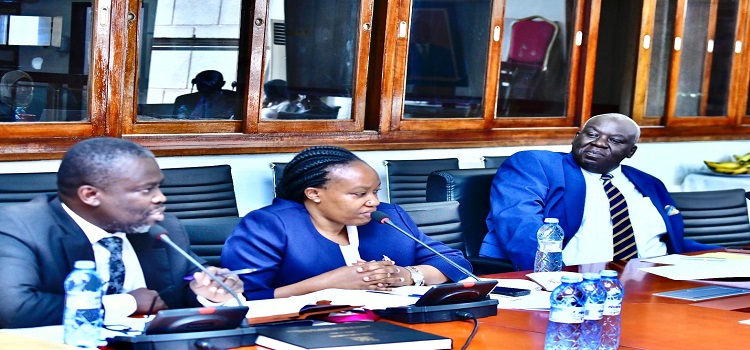
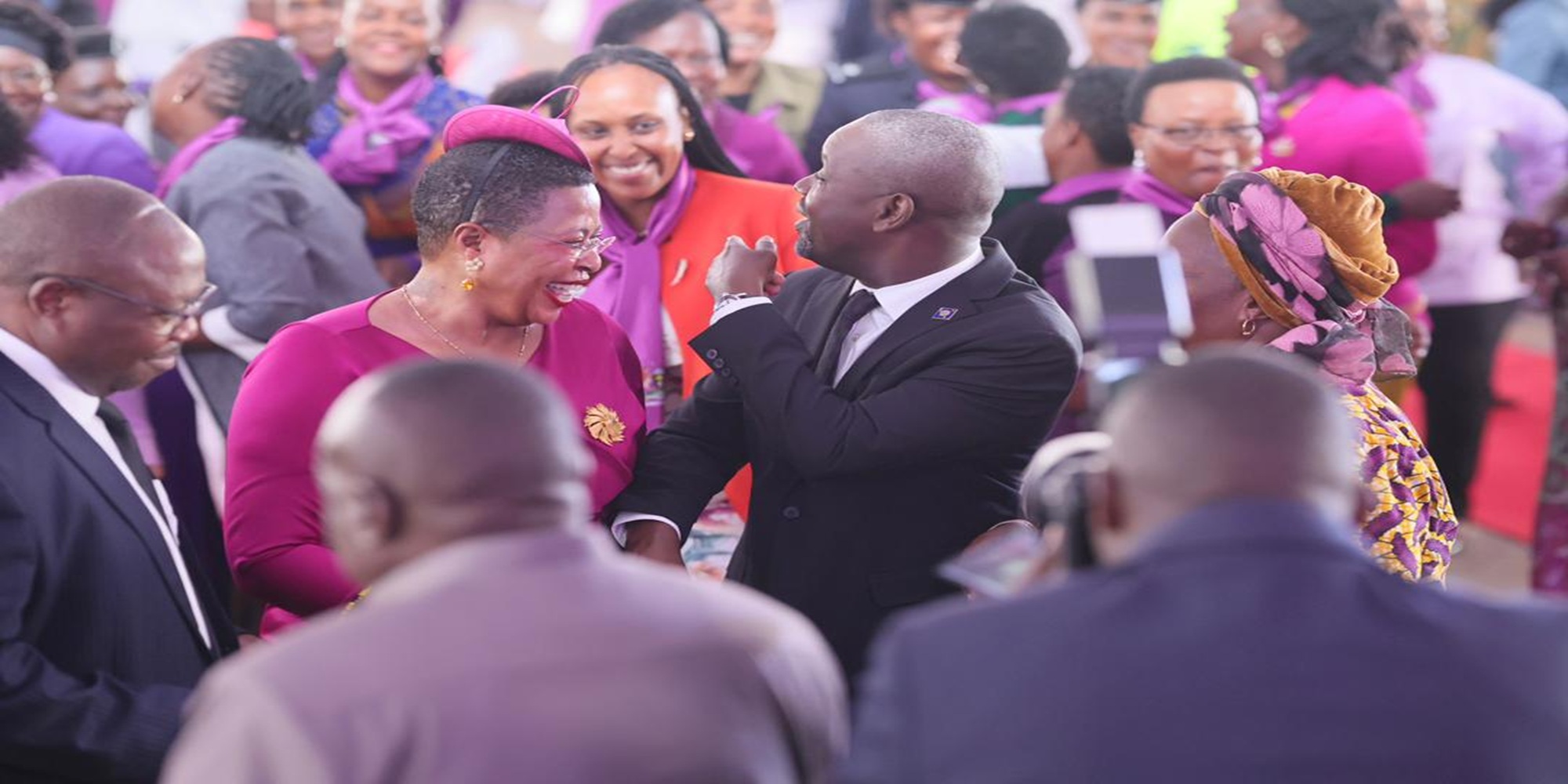
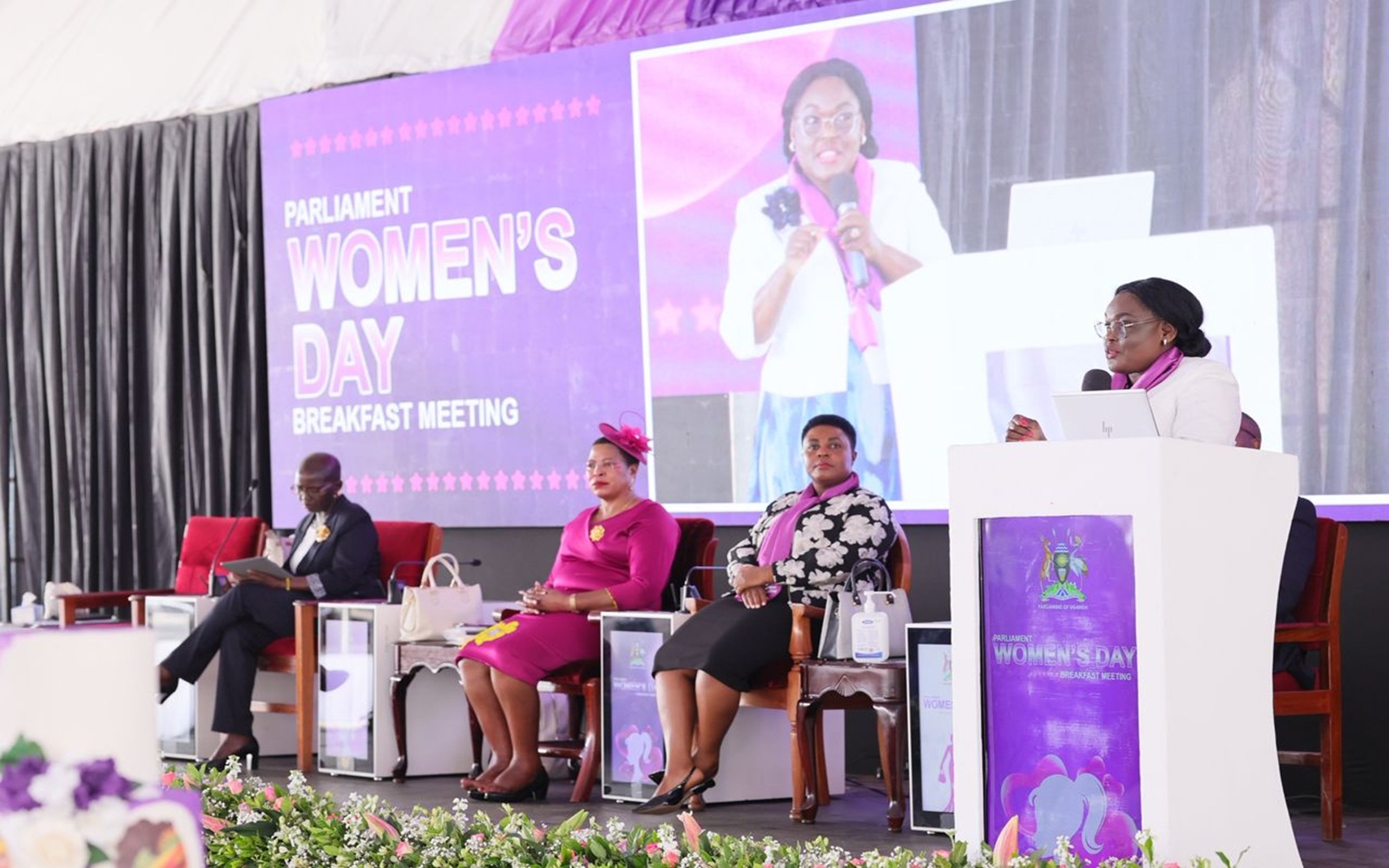
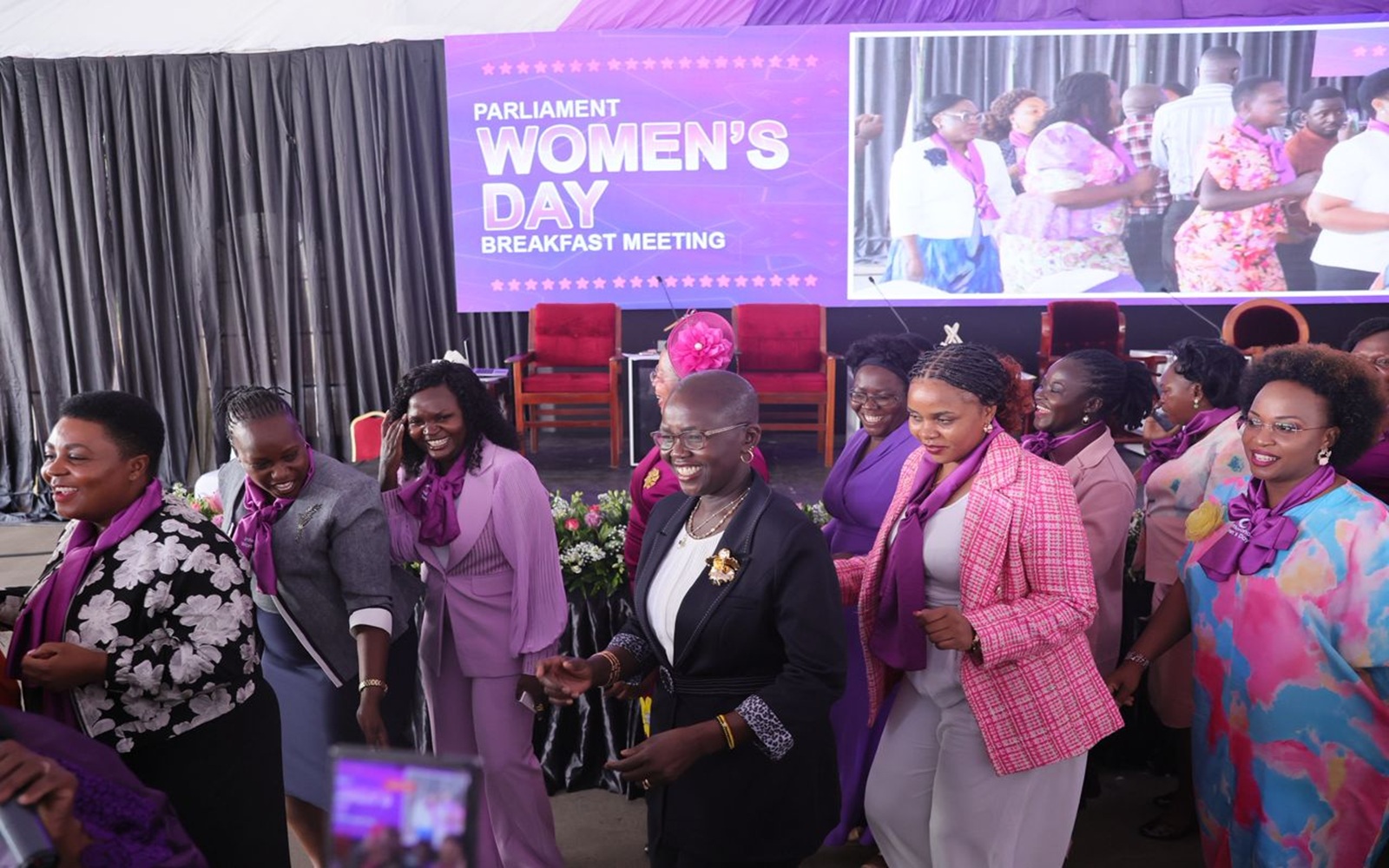
This call was made at Parliament on Friday, 06 March 2026 during the Parliamentary Women’s Day breakfast meeting in commemoration of this year’s International Women’s Day.
Lady Justice Catherine Bamugemereire, a Justice of the Supreme Court, who was the keynote speaker at the meeting said it is pertinent that government invests in access to justice through provision of legal aid services.
“Access to justice is not just a loafy idea; we need the Legal Aid Act as soon as yesterday. We must urgently confront the complexities in our legal systems,” Justice Bamugemereire said.
She added that there are still rampant cases of women losing land due to limited access to legal services and therefore, the implementation of legal aid would come in handy to provide free or low-cost legal services for the marginalised and vulnerable people.
Justice Bamugemereire also urged all stakeholders to champion a shift towards gender equity through structural commitments, not polite gestures.
“We must demand a standard where merit is the only currency. Every Ugandan woman deserves to be in an environment that empowers her, where her character is her only strongest credential," she said adding that, ’we need to build a nation where talent does not know gender boundaries, and stand as we advocate for a future defined by integrity, excellence, hard work and merit’.
Principal Judge, Justice Jane Frances Abodo, who was the guest speaker could not agree more with Bamugemereire on the urgency of legal aid services.
She said that the law is so distant and intimidating for many women and girls and can only be remedied through administration of free legal services.
“We need to scale up investment in state-supported legal aid by enacting the Legal Aid Act, champion paralegal programmes and community legal education,” Abodo said.
According to Justice Abodo, access to justice should not be reduced to mere existence of courts, but rather calls for a proactive approaches that require compelling governance and economic interventions.
“When women and girls cannot access justice, violence goes unreported, unpunished and this creates impunity,” she said.
During the plenary sitting on 23 May 2023, the National Legal Aid Bill, 2022 was tabled for Second Reading but collapsed after the Committee on Legal and Parliamentary Affairs in its report, recommended that it is stayed because it has a huge financial implication on the Consolidated Fund.
According to the committee report, government requires at least Shs47.6 billion annually to roll out legal aid services across the country. The bill was then returned to the committee for further scrutiny.
At the same event, as an intervention to tackle menstrual hygiene among girl children which leads to school absenteeism, Speaker Anita Among advocated that local companies are supported in the production and distribution of reusable sanitary pads across the country.
“As Parliament, we urge the Minister of Finance, Planning and Economic Development to consider some tax incentives for local manufacturers of reusable sanitary pads in the tax proposals for the financial year 2026/27. Once presented, we shall approve accordingly. This will ensure mass production and affordability,” she said.
Over 1.2 million girls aged 12–18 in Uganda have limited access to sanitary products, water, and private sanitation, leading to high school absenteeism.
Similarly, about 50-70 per cent of school girls use unhygienic materials like rags, soil, or banana fibres, causing infections and stigma.
Like other presenters, Speaker Among acknowledged that despite the milestones registered towards attaining women emancipation in Uganda, there are some of the underlying realities that women leaders must confront through appropriate legal, policy and institutional reforms, behaviour change and attitude reforms.
She noted that women still lag behind on parameters such as, employment, financial inclusion, literacy, school completion rates and access to justice among others.
“Addressing these realities requires responsive and servant leadership. Our gathering here today is part of the process of re-affirming and refocusing our energy as women leaders in improving the plight of women and the girl-child,” she said.
Uganda will celebrate the International Women’s Day on Sunday, 08 March 2026 at the Kololo Ceremonial Grounds under the theme, “Scaling up investment to accelerate access to justice for all women and girls in Uganda”.