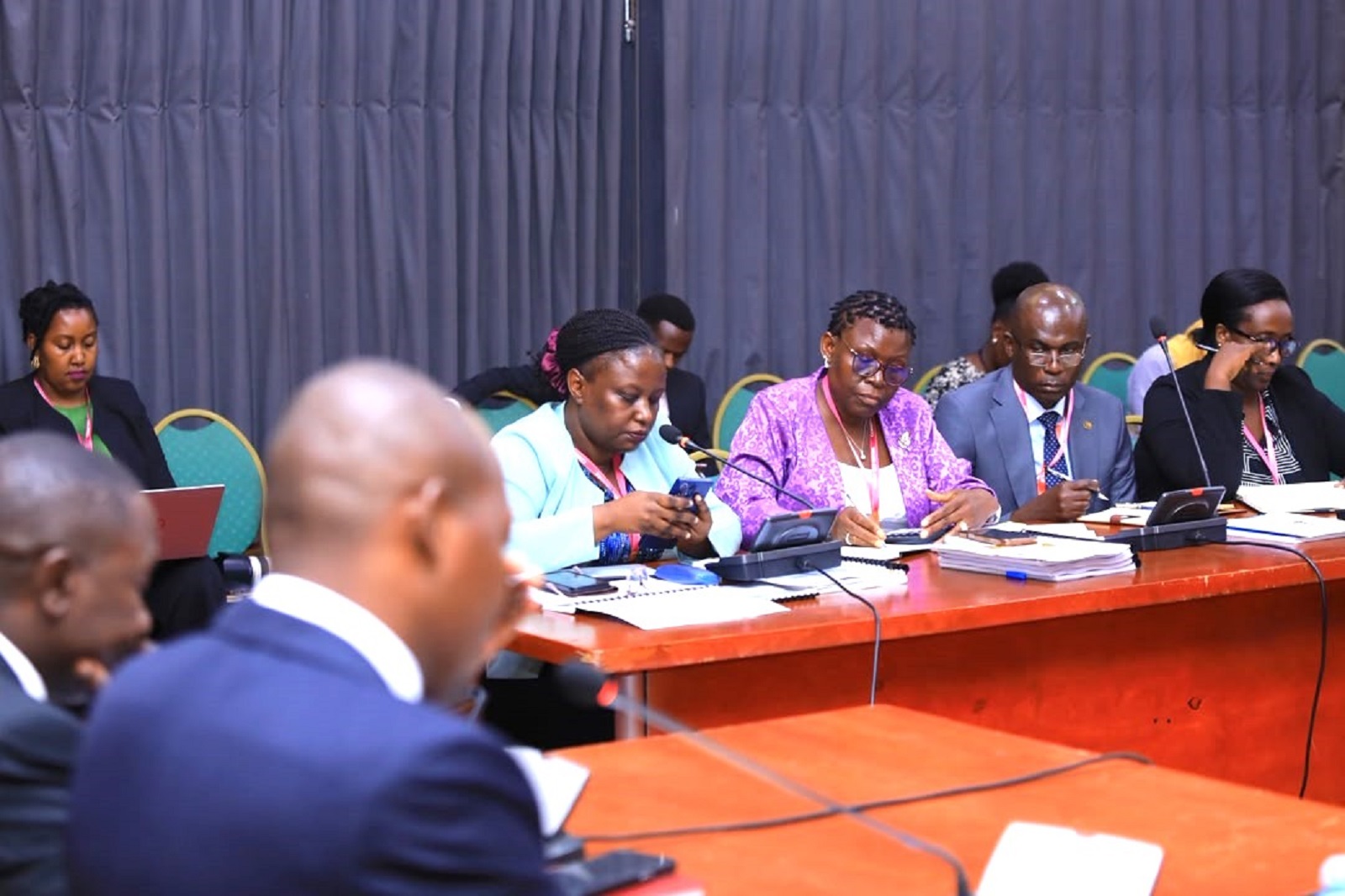
Domestic arrears have been described as the “sitting room of corruption” in government, as Members of Parliament raised alarm over persistent accumulation of unpaid obligations and inconsistencies in budget figures.
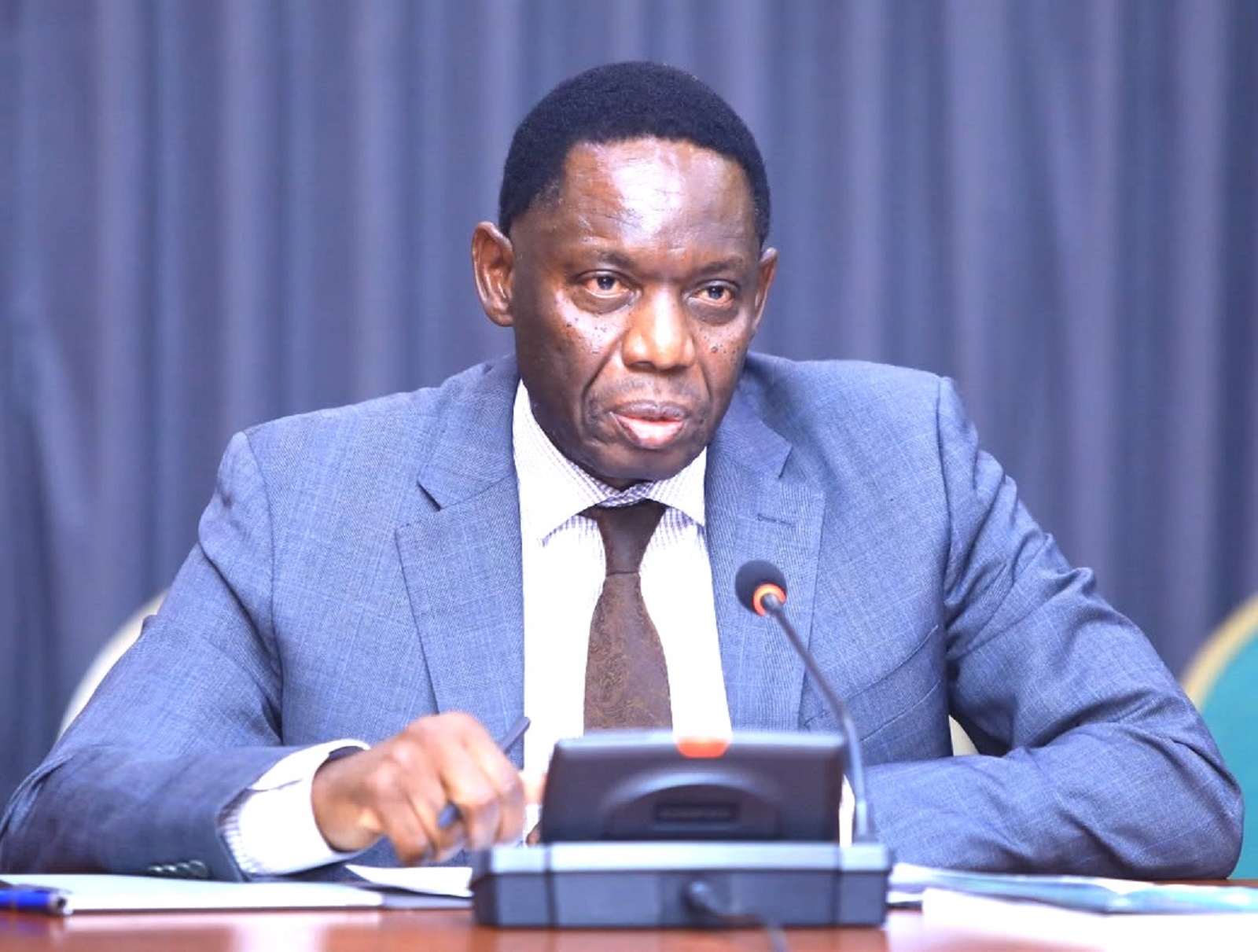
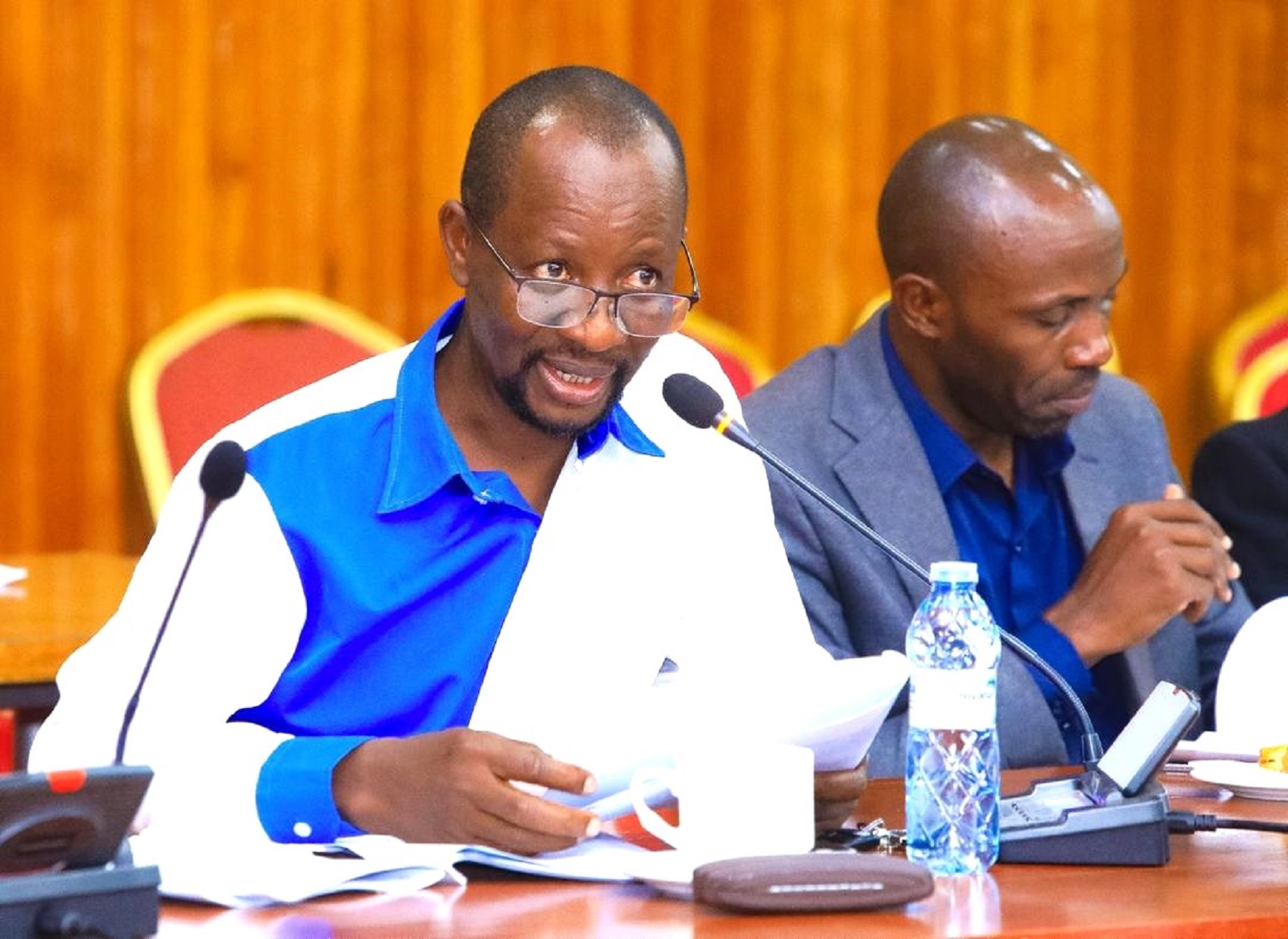
The revelation was made by the Chairperson of the Budget Committee, Hon. Patrick Isiagi Opolot, during consideration of the report from the Committee on Finance, Planning and Economic Development.
The report was presented by the deputy chairperson, Hon. Moses Aleper, on Friday, 17 April 2026.
“We have been talking of corruption, corruption, corruption, but this is the sitting room of corruption, these domestic arrears,” Isiagi Opolot said.
He criticised what he described as a deliberate disregard of established financial controls, particularly the commitment control system designed to prevent spending without available funds.
“You do not commit government where there are no funds… once you order, expenditure is recognised and funds to clear expenditure must be available. Now, we are running away from all of that. That is corruption,” he added.
Isiagi Opolot warned against repeated verification exercises of arrears, arguing that they risk entrenching malpractice.
AUDIO: Hon. Patrick Isiagi Opolot
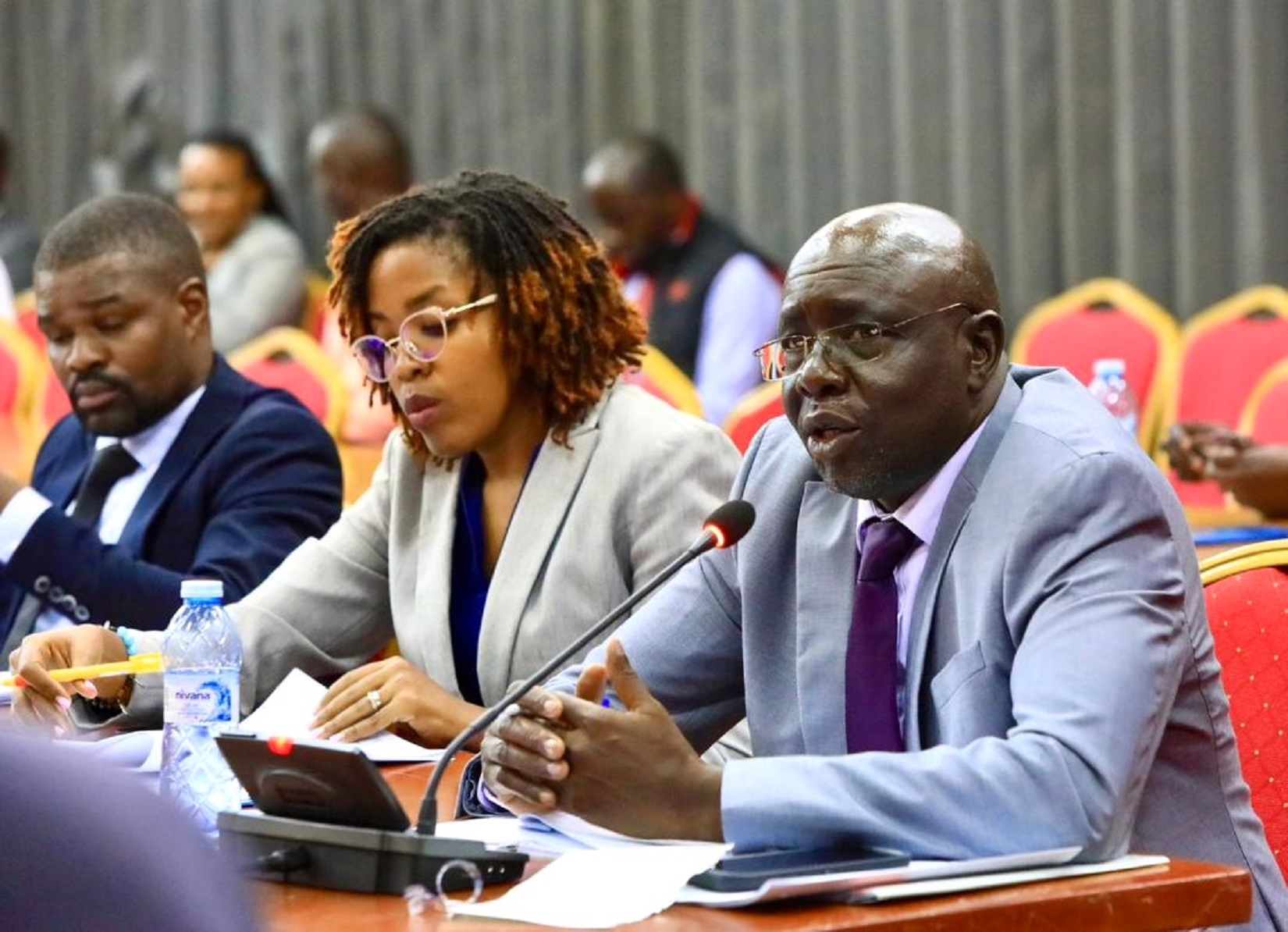
Hon. Ibrahim Ssemujju (FDC, Kira Municipality), attributed part of the problem to government spending practices. “They use the word, ‘expenditure limiting’ so they allow even when they do not have money, you spend up to this limit… they ask you to spend money, they themselves know that they do not have,” Ssemujju said.
Questioning the effectiveness of current efforts to clear arrears, Hon. Dennis Nyangweso (Indep., Samia Bugwe Central County), noted that previous allocations were too small to make meaningful progress.
“The committee took a stand to shift from the Shs200 billion that had always been in the budget to clear domestic arrears, because we realised that it would take almost 37 years to clear the current stock,” Nyangweso said.
He noted that the committee is now proposing an increase to Shs450 billion but sought clarity on government performance.
On the concern over inconsistencies in budget figures, Ssemujju questioned why different documents show conflicting values for key fiscal components and arguing that repeated supplementary budgets have not been properly reflected in the approved estimates.
Pointing out discrepancies in the petroleum fund, domestic financing and the overall resource envelope, Ssemujju noted that the petroleum fund is shown as Shs1.4 trillion in one version and Shs1.8 trillion in another, while domestic financing appears as Shs11.9 trillion compared to Shs11.2 trillion.
He shed light on how the total resource envelope is listed as Shs84.2 trillion in one document and Shs84.5 trillion in another and questioned how supplementary budgets have been incorporated into the final figures, arguing that the approved budget has effectively changed over time. “I am seeking clarification, not contesting,” he said, calling for consistency in the official budget records.
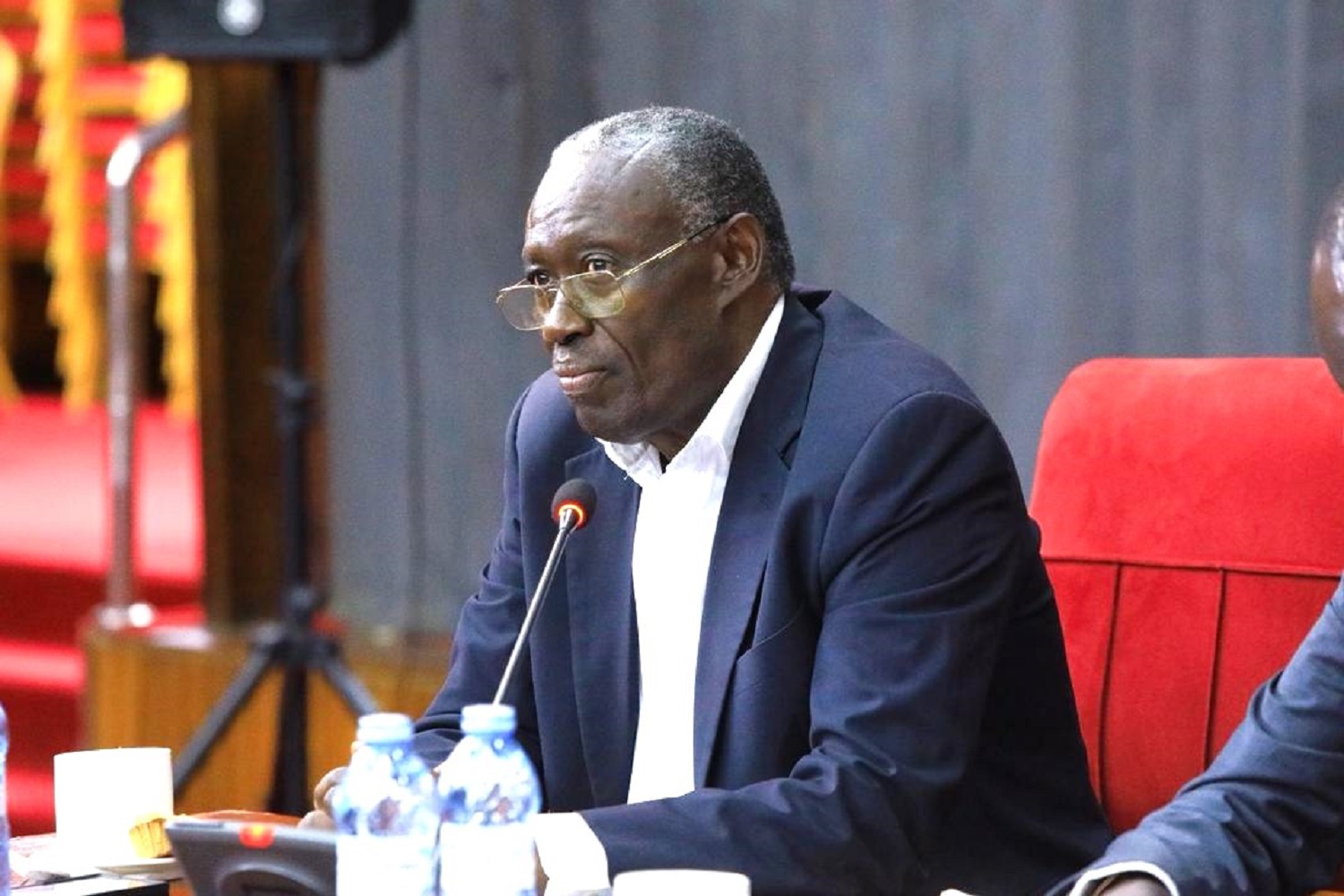
Responding to the concern, the Chairperson of the Budget Committee said supplementary adjustments must be properly reflected in the final approved budget figures, noting that they form part of the official allocations.
Ssemujju urged the committee to demand an updated version of the approved budget reflecting all supplementary changes.
The matter is expected to be formally raised when the Ministry of Finance, Planning and Economic Development appears before the committee for clarification.